The crisp, white blanket of snow can be beautiful, but it quickly turns into a logistical nightmare when it blocks driveways, buries sidewalks, and renders roads impassable. Enter the truck plow, a powerful and indispensable tool that allows us to reclaim our access and mobility during the winter months. More than just a piece of equipment, the truck plow is a symbol of preparedness, resilience, and the unwavering determination to keep our communities moving, even in the face of challenging weather conditions. This comprehensive guide will delve into the world of truck plows, exploring their types, benefits, considerations, and everything you need to know to effectively and safely use one.
1. Understanding the Truck Plow: A Definition and its Importance
Truck Plow: Your Comprehensive Guide to Conquering Winter Roads
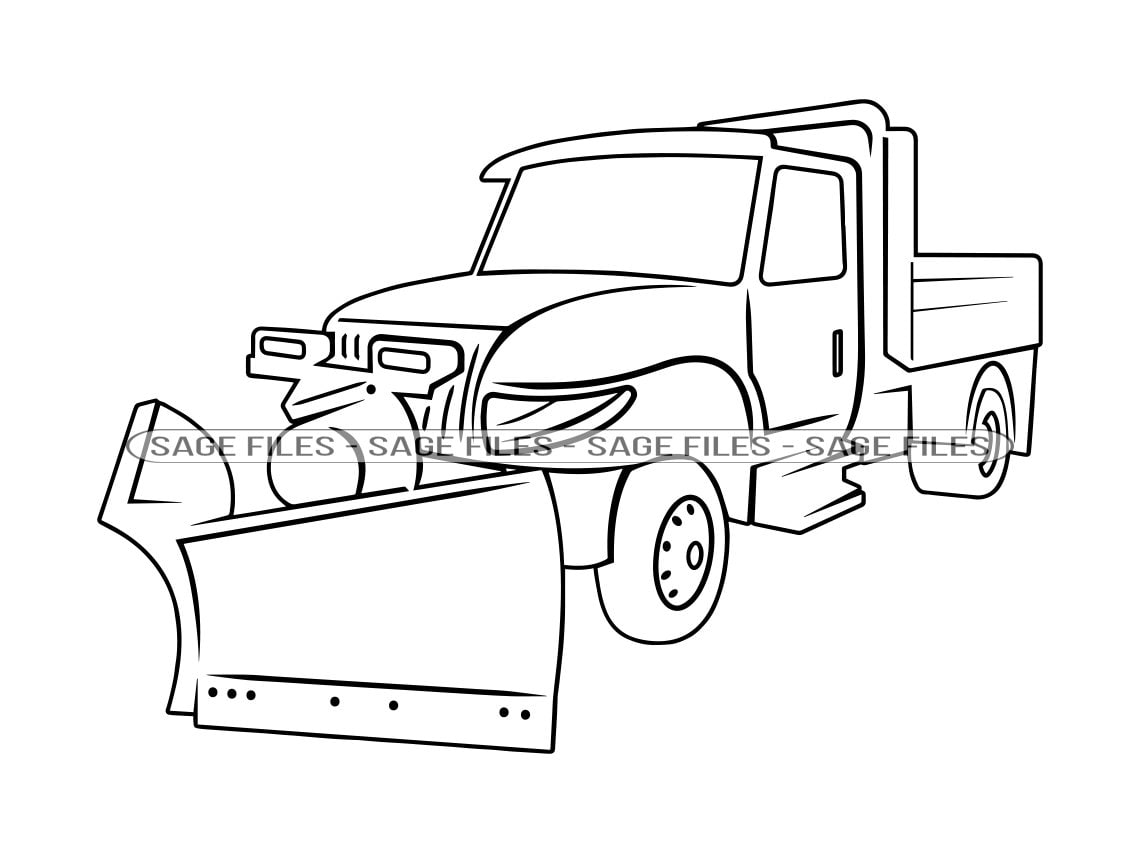
A truck plow, also known as a snow plow, is a specialized piece of equipment designed to be attached to the front of a truck or other heavy-duty vehicle. Its primary function is to clear snow and ice from roads, driveways, parking lots, and other surfaces, creating a safe and passable pathway. The plow blade, typically made of steel, polyethylene, or a combination of materials, is angled to direct the snow to one side, effectively pushing it off the desired surface.
The importance of truck plows cannot be overstated. They are crucial for:
- Maintaining Safe Transportation: Clearing roads allows emergency vehicles, school buses, and everyday commuters to travel safely.
- Supporting Economic Activity: Businesses can remain open and operational, ensuring the flow of goods and services despite winter weather.
- Preventing Accidents: Removing snow and ice reduces the risk of accidents caused by slippery conditions and poor visibility.
- Ensuring Public Safety: Clearing sidewalks and walkways allows pedestrians to move safely and reduces the risk of falls.
2. Types of Truck Plows: Choosing the Right Plow for the Job
The market offers a diverse range of truck plows, each designed for specific applications and vehicle types. Understanding the different types is crucial for selecting the right plow for your needs. Here's a breakdown of the most common types:
- Straight Blade Plows: These are the most common and versatile type, featuring a straight blade that angles to the left or right. They are suitable for driveways, small parking lots, and residential streets.
- V-Plows: These plows have a V-shaped blade that can be used in multiple configurations: V-mode for breaking through deep snow, scoop mode for carrying snow, and straight mode for general plowing. They are ideal for clearing long driveways, commercial properties, and tackling heavy snowfall.
- Wing Plows: These plows feature a main blade with an additional "wing" that extends to the side, allowing for wider clearing paths. They are commonly used by municipalities and highway departments for clearing large roadways.
- Box Plows (Snow Pushers): These plows are designed to push large volumes of snow in a single pass. They feature a box-like structure that contains the snow as it is pushed forward. They are ideal for clearing large parking lots and commercial areas.
- Power Angle Plows: These are a variation of straight blade plows that allow the operator to adjust the angle of the blade hydraulically from inside the cab. This is particularly useful for quickly adapting to changing conditions.

3. Benefits of Using a Truck Plow: Efficiency and Effectiveness
Investing in a truck plow offers numerous benefits, making it a worthwhile investment for homeowners, businesses, and municipalities alike:
- Time Savings: Clearing snow manually can be incredibly time-consuming and physically demanding. A truck plow significantly reduces the time and effort required.
- Cost-Effectiveness: Over time, a truck plow can be more cost-effective than hiring a snow removal service, especially in areas with frequent snowfall.
- Increased Safety: Clearing snow and ice reduces the risk of accidents and injuries, both for yourself and others.
- Convenience: You have the freedom to clear snow whenever and wherever you need to, without relying on external services.
- Property Value: Maintaining a clear and accessible property can enhance its curb appeal and overall value.
4. How to Use a Truck Plow: A Step-by-Step Guide
Using a truck plow effectively and safely requires proper technique and adherence to safety guidelines. Here's a step-by-step guide:
- Preparation: Before you start, inspect your plow for any damage or loose parts. Ensure that all hydraulic lines are properly connected and that the blade is in good working order. Also, make sure you have the necessary safety gear, including high-visibility clothing.
- Attachment: Carefully attach the plow to your truck, following the manufacturer's instructions. Ensure that all connections are secure and that the plow is properly aligned.
- Initial Pass: Start by making an initial pass along the edge of the area you want to clear. This will create a clear path for subsequent passes.
- Angling the Blade: Angle the blade to the side to direct the snow away from the area you are clearing. Avoid plowing against the direction of traffic.
- Plowing Technique: Overlap each pass slightly to ensure that all snow is cleared. Avoid driving too fast, as this can damage the plow and create unsafe conditions.
- Stacking Snow: Choose a designated area to stack the snow. Make sure that the area is large enough to accommodate the snow and that it does not obstruct visibility or access to other areas.
- Final Pass: After you have cleared the main area, make a final pass to clean up any remaining snow or debris.
- Maintenance: After each use, inspect the plow for any damage and lubricate moving parts. Store the plow in a dry place when not in use.
5. Important Considerations Before Buying a Truck Plow:
Before purchasing a truck plow, consider the following factors:
- Truck Compatibility: Ensure that the plow is compatible with your truck's make, model, and weight capacity.
- Plowing Needs: Determine the size and type of area you need to clear, as well as the average snowfall in your area.
- Budget: Truck plows range in price from a few hundred to several thousand dollars. Set a budget and stick to it.
- Installation: Consider whether you will install the plow yourself or hire a professional.
- Maintenance: Be prepared to perform regular maintenance on the plow to ensure its longevity.
- Storage: Ensure you have adequate storage space for the plow when it is not in use.
- Local Regulations: Check local regulations regarding snow removal and plow usage.
6. Tips for Efficient and Safe Plowing:
- Plan your route: Before you start plowing, plan your route to avoid obstacles and ensure efficient snow removal.
- Drive slowly and cautiously: Reduce your speed and maintain a safe following distance.
- Use your headlights: Turn on your headlights to improve visibility.
- Be aware of your surroundings: Pay attention to pedestrians, vehicles, and other obstacles.
- Avoid plowing in reverse: Plowing in reverse can be dangerous and can damage the plow.
- Clear snow in layers: For heavy snowfall, clear the snow in layers to avoid overloading the plow.
- Don't plow onto roadways: Avoid plowing snow onto roadways, as this can create hazardous conditions for other drivers.
- Maintain your plow: Regularly inspect and maintain your plow to ensure it is in good working order.
7. Potential Challenges and Solutions:
- Plow Damage: Plowing over obstacles can damage the plow blade or frame. Solution: Avoid plowing over obstacles and inspect the plow regularly for damage.
- Truck Overheating: Plowing can put a strain on your truck's engine and cooling system. Solution: Monitor your truck's temperature and take breaks as needed.
- Hydraulic Issues: Hydraulic lines can leak or fail, causing the plow to malfunction. Solution: Inspect hydraulic lines regularly and replace them as needed.
- Stuck Plow: The plow can get stuck in deep snow or ice. Solution: Use a shovel or other tools to free the plow.
- Visibility Issues: Heavy snowfall can reduce visibility, making it difficult to see. Solution: Use your headlights and drive slowly and cautiously.
8. Table Price for Truck Plow:
| Plow Type | Material | Size (inches) | Vehicle Compatibility | Price (USD) | Installation Cost (USD) | Additional Features | Warranty (Years) |
|---|---|---|---|---|---|---|---|
| Straight Blade | Steel | 72 | Light-Duty Trucks | $1,500 | $300 | Manual Angle Adjustment | 1 |
| Straight Blade | Poly | 84 | Light-Duty Trucks | $2,200 | $300 | Manual Angle Adjustment | 2 |
| V-Plow | Steel | 80 | Heavy-Duty Trucks | $3,500 | $500 | Hydraulic Angle Control | 2 |
| V-Plow | Poly | 96 | Heavy-Duty Trucks | $4,800 | $500 | Hydraulic Angle Control | 3 |
| Box Plow (Snow Pusher) | Steel | 96 | Skid Steers, Tractors | $2,800 | N/A | Replaceable Wear Shoes | 1 |
| Power Angle Plow | Steel | 72 | Light-Duty Trucks | $2,000 | $350 | Wireless Remote Control | 2 |
9. Frequently Asked Questions (FAQ):
- Q: How often should I service my truck plow?
- A: You should service your truck plow at least once a year, or more frequently if you use it heavily.
- Q: What type of oil should I use in my hydraulic system?
- A: Consult your plow's owner's manual for the recommended type of hydraulic oil.
- Q: How do I prevent my plow from rusting?
- A: Apply a coat of rust inhibitor to the plow blade after each use.
- Q: Can I use my truck plow on gravel roads?
- A: It is not recommended to use a truck plow on gravel roads, as this can damage the blade and create uneven surfaces.
- Q: How do I adjust the height of my plow?
- A: The height of your plow can be adjusted using the lift cylinder. Consult your plow's owner's manual for specific instructions.
10. Conclusion: Embracing Winter Preparedness
The truck plow is an invaluable tool for navigating the challenges of winter weather. By understanding the different types of plows, their benefits, and proper usage techniques, you can effectively and safely clear snow from roads, driveways, and other surfaces. Remember to prioritize safety, perform regular maintenance, and adapt your plowing strategy to the specific conditions. With a truck plow and a little preparedness, you can conquer winter and keep your community moving. Investing in a truck plow is not just about clearing snow; it's about investing in safety, accessibility, and peace of mind during the winter months.