Introduction: Conquering Winter, One Driveway at a Time
As winter's icy grip tightens, the demand for reliable snow removal equipment skyrockets. At the heart of this demand lies the plow truck, a robust vehicle equipped to tackle snow-laden streets, driveways, and parking lots. "Plow Truck For Sale" isn't just a search query; it's a lifeline for businesses, municipalities, and homeowners seeking to maintain safe and accessible environments during the harshest months. This comprehensive guide will navigate the complex landscape of buying a plow truck, providing you with the knowledge to make an informed decision and find the perfect snow-clearing workhorse for your needs. We will explore the different types of plow trucks, factors to consider before purchasing, where to find them, and how to ensure you get the best value for your investment.
Plow Truck For Sale: A Comprehensive Guide to Finding the Right Snow-Clearing Workhorse
Section 1: Understanding Your Needs: Defining the Scope of Your Snow Removal Operations
Before diving into the market, it's crucial to define the scope of your snow removal operations. This will dictate the type of plow truck and plow system that best suits your needs. Consider these key factors:
- Residential vs. Commercial: Will you be plowing residential driveways, commercial parking lots, or both? Residential plowing typically requires smaller, more maneuverable trucks, while commercial operations demand larger, more powerful vehicles capable of handling vast expanses of snow.
- Frequency and Intensity of Snowfall: How often and how heavily does it snow in your area? Areas with frequent, heavy snowfall require trucks with higher snow-clearing capacity and more robust plows.
- Surface Type: Are you plowing asphalt, concrete, gravel, or a combination of surfaces? Different surfaces require different plow materials and techniques to avoid damage.
- Budget: Establish a realistic budget that includes not only the initial purchase price but also ongoing maintenance, fuel costs, and insurance.

Section 2: Types of Plow Trucks: A Breakdown of Options
Plow trucks come in various sizes and configurations, each designed for specific applications. Here's a breakdown of common types:
-
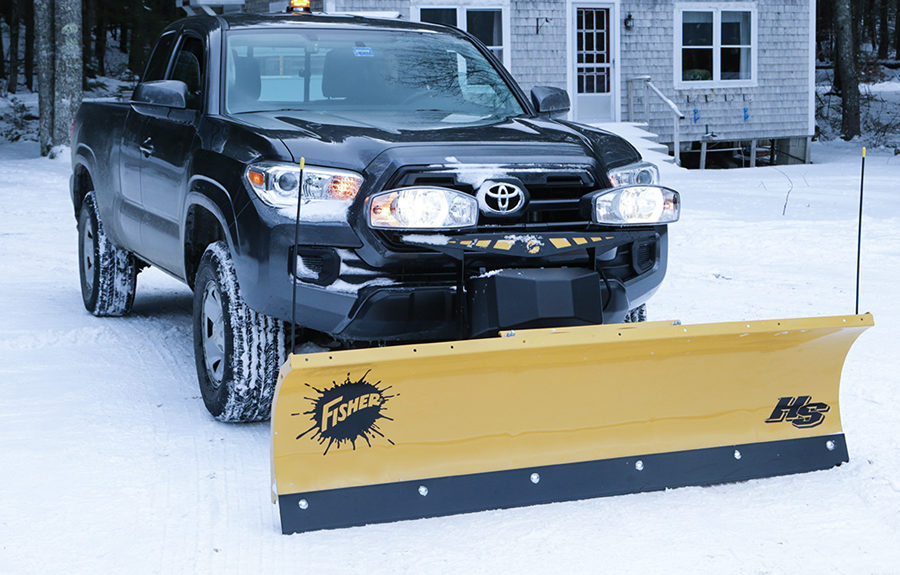
Light-Duty Plow Trucks (Pickup Trucks): Ideal for residential driveways and light commercial applications. These trucks are typically based on half-ton or three-quarter-ton pickup trucks and can handle smaller plows. Examples include the Ford F-150, Chevrolet Silverado 1500, and Ram 1500.

- Pros: Affordable, versatile, easy to maneuver, fuel-efficient.
- Cons: Limited snow-clearing capacity, less durable than heavier-duty trucks.
-
Medium-Duty Plow Trucks (Commercial Trucks): Suitable for larger driveways, small parking lots, and municipal applications. These trucks are typically based on one-ton or larger pickup trucks or chassis cabs. Examples include the Ford F-250/F-350, Chevrolet Silverado 2500/3500, and Ram 2500/3500.
- Pros: Increased snow-clearing capacity, more durable than light-duty trucks, can handle heavier plows.
- Cons: More expensive than light-duty trucks, less fuel-efficient.
-
Heavy-Duty Plow Trucks (Dump Trucks, Municipal Trucks): Designed for large parking lots, streets, and highways. These trucks are typically based on commercial dump trucks or dedicated snowplow chassis.
- Pros: High snow-clearing capacity, extremely durable, can handle the most demanding snow removal tasks.
- Cons: Very expensive, low fuel efficiency, require specialized maintenance.
Section 3: Plow Types: Choosing the Right Blade for the Job
The plow blade is the heart of the snow removal system. Different plow types are designed for specific applications and snow conditions.
-
Straight Blade: The most common type of plow blade, suitable for general snow removal. It pushes snow straight ahead.
- Pros: Affordable, simple to operate, versatile.
- Cons: Can't angle snow to the side, less efficient for large areas.
-
Angled Blade: Allows you to angle the blade to push snow to the side, increasing efficiency and reducing the need for multiple passes.
- Pros: More efficient than straight blades, can angle snow to the side.
- Cons: Slightly more expensive than straight blades.
-
V-Plow: Features a hinged blade that can be configured in a V-shape for breaking through heavy snowdrifts or a scoop shape for carrying large amounts of snow.
- Pros: Excellent for breaking through drifts, versatile, can scoop snow.
- Cons: More expensive than straight or angled blades, requires more skill to operate.
-
Wing Plow: Features a side-mounted blade that extends the width of the plow, allowing you to clear a wider path in a single pass.
- Pros: High snow-clearing capacity, ideal for wide areas.
- Cons: Expensive, requires a large truck, less maneuverable.
Section 4: Important Considerations Before Buying
Beyond the type of truck and plow, several other factors should influence your purchasing decision:
- Truck Condition: Thoroughly inspect the truck for rust, damage, and mechanical issues. Pay close attention to the engine, transmission, suspension, and brakes, as these components are under significant stress during plowing operations. If possible, have a trusted mechanic inspect the truck before you buy it.
- Plow Condition: Inspect the plow blade for wear and tear, rust, and damage. Check the hydraulic system for leaks and proper operation.
- Mileage: Lower mileage is generally preferable, but well-maintained trucks with higher mileage can still be a good value.
- Maintenance History: Ask for maintenance records to assess the truck's upkeep. Regular maintenance is crucial for the longevity of a plow truck.
- Four-Wheel Drive: Essential for plowing in snowy and icy conditions. Ensure the four-wheel-drive system is functioning properly.
- Tires: Choose tires designed for snow and ice. Consider using studded tires for enhanced traction in extreme conditions.
- Electrical System: Ensure the electrical system is in good working order, as it powers the plow lights, hydraulics, and other essential components.
- Rust Prevention: Plow trucks are exposed to salt and other corrosive elements, making rust prevention a critical consideration. Look for trucks with rustproofing treatments or be prepared to apply rustproofing yourself.
- Local Regulations: Be aware of any local regulations regarding snow removal, such as noise restrictions or restrictions on plowing on certain streets.
Section 5: Where to Find Plow Trucks for Sale
Plow trucks can be found through various channels:
- Online Marketplaces: Websites like Craigslist, eBay, and Facebook Marketplace offer a wide selection of used plow trucks. Exercise caution when buying online and thoroughly inspect the truck before making a purchase.
- Dealerships: New and used car dealerships often sell plow trucks, particularly those specializing in commercial vehicles.
- Auction Houses: Auction houses can be a good source of used plow trucks, especially those from municipalities or government agencies.
- Private Sellers: Individuals selling their personal plow trucks can sometimes offer good deals.
- Equipment Rental Companies: Rental companies often sell off their older plow trucks at the end of the season.
Section 6: Negotiation and Financing
Negotiating the price of a plow truck requires research and preparation. Compare prices of similar trucks in your area and be prepared to walk away if the seller is unwilling to negotiate.
- Cash: Paying cash gives you the most negotiating power.
- Financing: If you need to finance the purchase, shop around for the best interest rates and terms.
- Leasing: Leasing can be an option for businesses, but it typically results in higher overall costs in the long run.
Section 7: Maintenance and Upkeep: Protecting Your Investment
Proper maintenance is essential for prolonging the life of your plow truck.
- Regular Oil Changes: Follow the manufacturer's recommended oil change schedule.
- Greasing: Grease all moving parts regularly, especially the plow components.
- Hydraulic Fluid Checks: Check the hydraulic fluid level regularly and top off as needed.
- Rust Prevention: Apply rustproofing treatments regularly, especially to areas prone to rust.
- Tire Rotation: Rotate tires regularly to ensure even wear.
- Brake Inspections: Inspect brakes regularly and replace as needed.
- Storage: Store the truck in a dry place during the off-season to prevent rust and corrosion.
Section 8: Potential Challenges and Solutions
- Finding a Reliable Mechanic: Establish a relationship with a trusted mechanic who is familiar with plow trucks.
- Parts Availability: Ensure that parts are readily available for your specific truck and plow model.
- Training: Learn how to operate the plow truck safely and efficiently.
- Insurance: Obtain adequate insurance coverage to protect yourself from liability.
Table Price of Plow Truck For Sale
| Feature | Light-Duty Truck (Pickup) | Medium-Duty Truck (Commercial) | Heavy-Duty Truck (Dump) |
|---|---|---|---|
| Typical Use | Residential Driveways | Small Parking Lots, Municipal | Large Parking Lots, Highways |
| Truck Examples | Ford F-150, Chevy Silverado 1500, Ram 1500 | Ford F-250/350, Chevy Silverado 2500/3500, Ram 2500/3500 | Mack, Freightliner, Peterbilt |
| Plow Type | Straight, Angled | Straight, Angled, V-Plow | V-Plow, Wing Plow |
| New Price Range | $40,000 - $60,000 | $60,000 - $90,000 | $120,000 + |
| Used Price Range | $20,000 - $40,000 | $35,000 - $65,000 | $60,000 + |
| Fuel Efficiency | 15-20 MPG | 10-15 MPG | 5-10 MPG |
| Maintenance Cost (Annual) | $500 - $1,000 | $1,000 - $2,000 | $2,000 + |
| Key Benefits | Affordable, Maneuverable | Increased Capacity, Durable | High Capacity, Extremely Durable |
| Key Drawbacks | Limited Capacity, Less Durable | More Expensive, Less Fuel Efficient | Very Expensive, Low Fuel Efficiency |
Conclusion: Making the Right Choice for Winter's Challenges
Choosing the right plow truck is a significant investment that requires careful consideration. By understanding your needs, exploring the different types of trucks and plows, and considering the factors outlined in this guide, you can make an informed decision and find the perfect snow-clearing workhorse for your specific application. Remember to prioritize safety, maintenance, and rust prevention to ensure the longevity and reliability of your investment. A well-chosen and properly maintained plow truck will not only make your winter snow removal tasks easier but also contribute to the safety and accessibility of your community.
Frequently Asked Questions (FAQ)
Q: What's the most important factor to consider when buying a used plow truck?
A: Rust. Plow trucks are constantly exposed to salt and other corrosive materials. Thoroughly inspect the frame, body, and undercarriage for rust before making a purchase.
Q: Can I install a plow on any pickup truck?
A: No. Only trucks that are designed and rated for plow use should be equipped with a plow. Installing a plow on an unsuitable truck can damage the truck's frame, suspension, and other components.
Q: How often should I change the hydraulic fluid in my plow?
A: Consult your plow's owner's manual for specific recommendations. Generally, hydraulic fluid should be changed every one to two years, or more frequently if the plow is used heavily.
Q: What type of tires are best for plowing?
A: Tires designed for snow and ice are essential for plowing. Look for tires with a deep tread pattern and a high snow rating. Studded tires can provide enhanced traction in extreme conditions.
Q: How can I prevent rust on my plow truck?
A: Apply rustproofing treatments regularly, especially to areas prone to rust. Wash the truck frequently, especially after exposure to salt. Consider using a rust inhibitor spray on the undercarriage.