Winter's icy grip can paralyze communities, disrupting commutes, endangering lives, and halting commerce. In this frozen battleground, the truck with a snow plow stands as a formidable weapon, a beacon of hope carving pathways through the drifts and ensuring essential services continue to function. This comprehensive guide will delve into the world of snow plows and the trucks that wield them, exploring their importance, functionality, types, considerations, and everything you need to know to understand this crucial piece of winter infrastructure.
Why the Truck With Snow Plow Matters
Truck With Snow Plow: A Comprehensive Guide to Conquering Winter
The truck with a snow plow is more than just a vehicle with a blade attached. It's a lifeline for communities during winter storms. Imagine a world without them: roads impassable, emergency services unable to reach those in need, supply chains disrupted, and daily life grinding to a halt. The snow plow is the unsung hero that keeps society moving when nature throws its worst at us. They ensure:
- Safe Transportation: Clearing roads allows vehicles, including emergency vehicles like ambulances and fire trucks, to navigate safely.
- Economic Activity: By maintaining accessible roads, businesses can stay open, goods can be delivered, and commerce can continue.
- Access to Essential Services: People can reach hospitals, pharmacies, grocery stores, and other vital resources.
- Improved Quality of Life: Clearing sidewalks and driveways allows people to move around their neighborhoods and homes more easily.
The Anatomy of a Snow Plow Truck

A snow plow truck isn't just any truck; it's a specifically equipped and often heavily modified vehicle designed to withstand the rigors of plowing snow. Here's a breakdown of the key components:
- The Truck: Usually a heavy-duty pickup truck, a medium-duty truck, or even a larger municipal truck. The truck's engine, transmission, suspension, and frame must be robust enough to handle the weight and stress of the plow and the snow it's pushing. Four-wheel drive is essential for traction in snowy conditions.
- The Plow Blade: This is the heart of the system, the steel or polymer blade that pushes the snow. Plow blades come in various sizes and shapes, each designed for specific applications. We'll explore these in more detail later.
- The Mounting System: A sturdy framework that attaches the plow blade to the truck's frame. The mounting system must be strong enough to withstand the force of the snow without bending or breaking.
- The Hydraulic System: This system powers the lifting and angling of the plow blade. A hydraulic pump, powered by the truck's engine, provides the pressure needed to operate the hydraulic cylinders that control the blade's movement.
- The Controller: Located inside the truck cab, the controller allows the operator to raise, lower, and angle the plow blade with ease.
- Lighting and Safety Equipment: Visibility is crucial during snowstorms. Snow plow trucks are equipped with bright headlights, flashing amber lights, and often strobe lights to ensure they are seen by other drivers.

Types of Snow Plows: Choosing the Right Tool for the Job
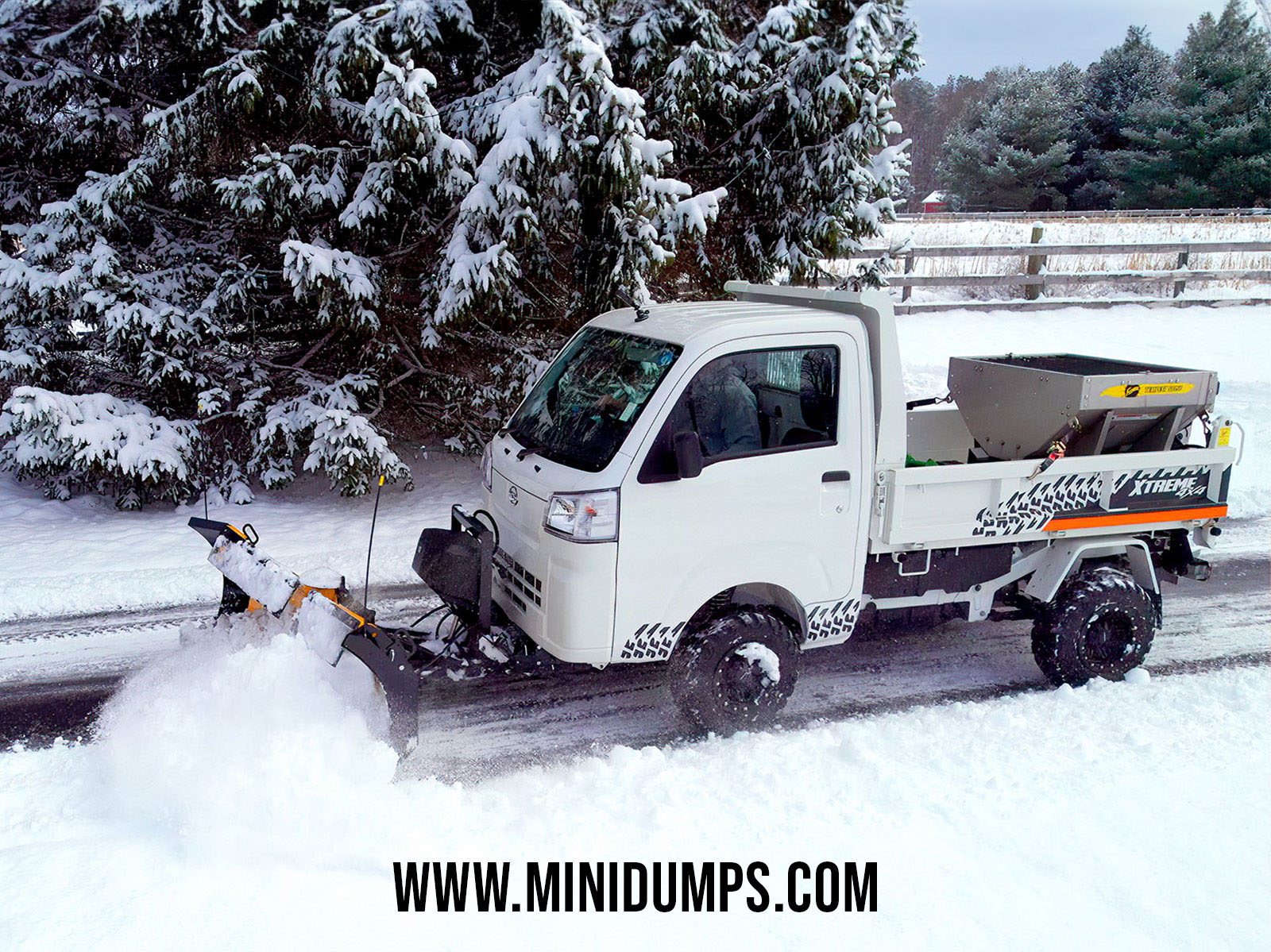
Not all snow plows are created equal. Different types are designed for different applications and snow removal needs. Here's a look at some of the most common types:
- Straight Blade Plows: The most common type, featuring a straight blade that pushes snow directly forward or to the side. Ideal for driveways, parking lots, and residential streets. They are relatively inexpensive and easy to operate.
- V-Plows: These plows have two blades that form a "V" shape, allowing them to break through heavy drifts and clear wider paths in a single pass. Excellent for long driveways, rural roads, and areas with significant snowfall. They can also be used in a straight blade configuration.
- Wing Plows: These plows have an extension, or "wing," that extends from the side of the blade, allowing them to clear even wider areas in a single pass. Commonly used by municipalities for clearing highways and large parking lots.
- Box Plows (Snow Pushers): These plows are essentially large boxes that scoop up and push large volumes of snow. Ideal for clearing large parking lots and commercial properties quickly and efficiently.
- Reversible Plows: These plows can be angled to either the left or right, allowing the operator to push snow in either direction without having to turn the truck around. Useful for clearing narrow streets and driveways.
Choosing the Right Truck for Your Plow
The truck is just as important as the plow itself. Choosing the right truck for your snow removal needs is crucial for performance, safety, and longevity. Consider these factors:
- Truck Size and GVWR (Gross Vehicle Weight Rating): The GVWR is the maximum weight the truck can safely carry, including the truck itself, the plow, the driver, passengers, and any cargo. Make sure the truck's GVWR is sufficient to handle the weight of the plow and the snow it will be pushing.
- Engine Power: A powerful engine is essential for plowing through heavy snow. Look for a truck with a high horsepower and torque rating.
- Transmission: A heavy-duty automatic transmission is generally preferred for plowing, as it allows for smoother and more efficient shifting.
- Four-Wheel Drive: Essential for traction in snowy and icy conditions.
- Suspension: A heavy-duty suspension is necessary to handle the extra weight and stress of the plow. Consider upgrading the suspension if necessary.
- Electrical System: The plow requires a significant amount of electrical power to operate the hydraulic system and lighting. Make sure the truck's electrical system is capable of handling the extra load.
- Brakes: Upgraded brakes are highly recommended to ensure safe stopping distances when plowing snow.
Tips for Safe and Efficient Snow Plowing
Plowing snow can be dangerous if not done properly. Here are some tips to keep you safe and efficient:
- Plan Your Route: Before you start plowing, plan your route to minimize backtracking and maximize efficiency.
- Drive Slowly and Carefully: Snow and ice can make roads slippery. Drive slowly and cautiously, and avoid sudden braking or acceleration.
- Use Proper Lighting: Turn on your headlights, flashing amber lights, and strobe lights to ensure you are visible to other drivers.
- Be Aware of Your Surroundings: Pay attention to pedestrians, other vehicles, and obstacles such as fire hydrants and mailboxes.
- Angle the Plow Blade Properly: Angling the plow blade helps to prevent snow from piling up in front of the truck and makes it easier to push the snow to the side.
- Maintain Your Equipment: Regularly inspect and maintain your plow and truck to ensure they are in good working order.
- Take Breaks: Plowing snow can be tiring. Take breaks as needed to avoid fatigue.
- Never Plow Backwards Without Spotters: Backing up while plowing can be extremely dangerous. Use spotters to ensure you don't hit anything or anyone.
- Consider a Snow Deflector: This attachment helps prevent snow from blowing onto your windshield, improving visibility.
Potential Challenges and Solutions
Plowing snow can present a number of challenges. Here are some common problems and their solutions:
- Truck Getting Stuck: Ensure your tires have adequate tread and consider using tire chains or snow tires for added traction.
- Plow Blade Getting Damaged: Avoid hitting obstacles such as rocks and curbs. Use a plow blade with a replaceable cutting edge.
- Hydraulic System Malfunctions: Regularly inspect and maintain the hydraulic system. Replace worn hoses and fittings.
- Poor Visibility: Use proper lighting and a snow deflector to improve visibility.
- Icy Roads: Use sand or salt to improve traction on icy roads.
Price Table for Truck With Snow Plow
| Item | Description | Average Price Range | Notes |
|---|---|---|---|
| Used Heavy-Duty Pickup Truck (Plowing Capable) | Ford F-250/350, Chevy Silverado 2500/3500, Ram 2500/3500 | $20,000 - $45,000 | Price varies greatly based on year, mileage, condition, and options. |
| New Heavy-Duty Pickup Truck (Plowing Capable) | Ford F-250/350, Chevy Silverado 2500/3500, Ram 2500/3500 | $45,000 - $80,000+ | Price increases with higher trim levels and additional features. |
| Straight Blade Plow (Residential/Light Commercial) | 7-8 feet wide, steel or poly | $3,000 - $6,000 | Poly blades are lighter and less prone to rusting. |
| V-Plow (Heavy Duty) | 8-9 feet wide | $5,000 - $8,000 | Offers greater versatility for breaking through drifts. |
| Box Plow (Snow Pusher) | 8-12 feet wide | $4,000 - $10,000+ | Ideal for large parking lots and commercial properties. |
| Plow Mounting System | Universal or vehicle-specific | $500 - $1,000 | Professional installation is highly recommended. |
| Hydraulic System | Pump, hoses, cylinders | $800 - $1,500 | Included with most plow kits. |
| Controller | In-cab controller for plow operation | $200 - $500 | Wired or wireless options available. |
| Installation Costs | Professional installation of plow and mounting system | $500 - $1,500 | Price varies depending on the complexity of the installation. |
| Maintenance Costs (Annual) | Oil changes, fluid checks, plow blade maintenance | $200 - $500 | Regular maintenance is crucial for longevity. |
Frequently Asked Questions (FAQ)
-
Q: What size plow do I need for my truck?
- A: The size of the plow depends on the size of your truck and the type of snow removal you will be doing. Consult with a snow plow dealer to determine the best size for your specific needs.
-
Q: Can I install a snow plow myself?
- A: While it's possible to install a snow plow yourself, professional installation is highly recommended. Improper installation can damage the truck or the plow, and it can also be dangerous.
-
Q: How often should I maintain my snow plow?
- A: You should inspect and maintain your snow plow regularly, especially before and after each use. Check the hydraulic fluid level, lubricate moving parts, and inspect the plow blade for damage.
-
Q: What is the best way to store my snow plow during the off-season?
- A: Clean the plow thoroughly, lubricate all moving parts, and store it in a dry place. Cover the plow to protect it from the elements.
-
Q: Do I need special insurance for my snow plow truck?
- A: You may need additional insurance coverage if you are using your truck for commercial snow removal. Contact your insurance company to discuss your coverage options.
Conclusion
The truck with a snow plow is a vital tool for navigating the challenges of winter. Understanding the components, types, and considerations involved in choosing and operating a snow plow can help you stay safe, efficient, and prepared for whatever winter throws your way. From ensuring safe passage for emergency vehicles to keeping businesses open and running, the snow plow truck is a true workhorse that keeps communities moving even in the harshest of conditions. Investing in the right equipment and practicing safe plowing techniques will ensure you're ready to conquer the winter and keep your community safe and connected.