Introduction: Taming Winter's Fury
When winter unleashes its icy grip, blanketing landscapes in snow and ice, the world can grind to a halt. Commutes become treacherous, businesses suffer, and everyday life becomes significantly more challenging. In these situations, the "Truck With Plow" emerges as a powerful solution, a symbol of resilience and the ability to conquer winter's challenges. A Truck With Plow is essentially a standard pickup truck or larger vehicle fitted with a snowplow attachment, designed to clear roads, driveways, parking lots, and other surfaces of snow and ice. More than just a vehicle, it's a crucial piece of equipment that ensures safety, accessibility, and the continuation of essential services during winter storms. This comprehensive guide will delve into every aspect of Trucks With Plow, from choosing the right setup to mastering plowing techniques, addressing common challenges, and ensuring safe and efficient operation.
Truck With Plow: A Comprehensive Guide to Snow Removal Power
1. Understanding the Power of the Truck With Plow
Before diving into the specifics, it's important to grasp the impact of the Truck With Plow. Its relevance stems from several key factors:
- Safety: Clearing snow and ice significantly reduces the risk of accidents for drivers and pedestrians.
- Accessibility: Plowed roads and driveways allow emergency vehicles, delivery trucks, and individuals to move freely.
- Economic Activity: Businesses can remain open and operational, preventing economic losses due to winter weather.
- Convenience: Residents can maintain their daily routines without being confined by snow.
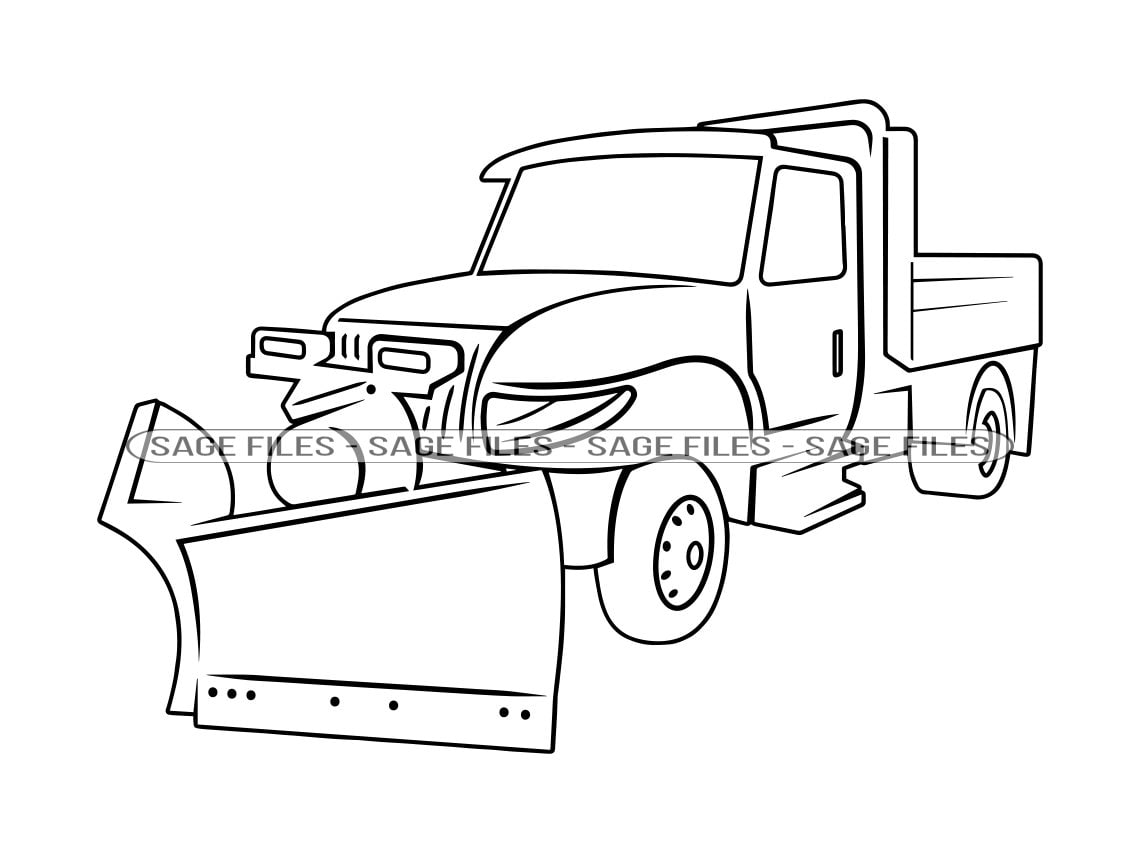
The Truck With Plow is therefore an essential tool for communities and individuals alike, providing a vital service during the winter months.
2. Selecting the Right Truck and Plow Combination
Choosing the appropriate Truck With Plow setup is crucial for optimal performance and safety. Several factors need to be considered:

Truck Size and Capability:
- GVWR (Gross Vehicle Weight Rating): This is the maximum weight the truck can safely handle, including the truck itself, passengers, cargo, and the plow. Ensure the truck's GVWR is sufficient to accommodate the added weight of the plow.
- Engine Power: A powerful engine (typically a V8 or diesel) is necessary to handle the strain of pushing heavy snow.
- Transmission: A heavy-duty transmission is essential to withstand the constant shifting and stress associated with plowing.
- Suspension: Upgraded suspension components, such as heavy-duty springs and shocks, can improve stability and prevent sagging under the weight of the plow.
- 4-Wheel Drive: Essential for maximizing traction and maneuverability in snowy and icy conditions.
-
Plow Type:
- Straight Blade Plows: The most common type, suitable for driveways, parking lots, and smaller roads. They push snow straight ahead or to one side.
- V-Plows: Ideal for breaking through deep snowdrifts and clearing wide areas quickly. They can be configured in a V-shape, straight blade, or scoop mode.
- Wing Plows: Extendable wings increase the plowing width, making them suitable for large parking lots and highways.
- Box Plows: Enclose the snow, allowing for efficient removal from confined areas.
-
Plow Material:
- Steel: Durable and strong, but heavier and more prone to rust.
- Polyethylene (Poly): Lighter than steel, rust-resistant, and snow slides off more easily.
- Stainless Steel: Offers the best of both worlds – strength and rust resistance – but is the most expensive option.
-
Plow Mounting System:
- Vehicle-Specific Mounts: Designed for specific truck models, ensuring a secure and proper fit.
- Universal Mounts: More adaptable but may require modifications.
Practical Advice: Consult with a reputable truck and plow dealer to determine the best combination for your specific needs and vehicle. Consider the size of the area you'll be plowing, the average snowfall in your region, and your budget.
3. Step-by-Step Guide to Installing a Snowplow
Installing a snowplow is a complex task that requires mechanical skills and the proper tools. If you're not comfortable with this process, it's best to have it professionally installed. However, if you choose to do it yourself, follow these steps:
- Gather Tools and Equipment: Wrenches, sockets, screwdrivers, torque wrench, hydraulic jack, jack stands, safety glasses, gloves, and the plow installation manual.
- Prepare the Truck: Disconnect the battery, remove the front bumper (if necessary), and locate the frame mounting points.
- Install the Mounting Brackets: Attach the mounting brackets to the truck's frame according to the manufacturer's instructions. Ensure they are properly aligned and securely fastened.
- Attach the Plow Frame: Connect the plow frame to the mounting brackets.
- Install the Hydraulic Unit: Mount the hydraulic unit and connect the hydraulic hoses to the plow cylinders.
- Wire the Electrical System: Connect the plow's electrical wiring to the truck's electrical system, including the control switch and lights.
- Test the System: Reconnect the battery and test the plow's lifting, angling, and lighting functions.
- Adjust the Plow: Adjust the plow height and angle according to the manufacturer's recommendations.
Important Considerations:
- Always follow the manufacturer's instructions carefully.
- Use a torque wrench to ensure all bolts are tightened to the specified torque.
- Double-check all connections before operating the plow.
4. Mastering Plowing Techniques for Efficiency and Safety
Effective plowing techniques are essential for maximizing efficiency and minimizing the risk of damage to your truck, the plow, and the surrounding environment.
- Plan Your Route: Before you start plowing, plan your route to minimize backtracking and avoid obstacles.
- Angle the Plow: Angle the plow in the direction you want the snow to be pushed.
- Drive Slowly and Steadily: Avoid sudden starts, stops, and turns.
- Overlap Your Passes: Overlap each pass by a few inches to ensure complete snow removal.
- Avoid Pushing Snow Against Obstacles: Be careful not to push snow against parked cars, fences, or other obstacles.
- Lift the Plow When Turning: Lift the plow slightly when turning to prevent it from digging into the ground.
- Use Markers: Use markers to identify obstacles that may be hidden under the snow.
Tips for Efficient Plowing:
- Plow early and often to prevent snow from accumulating and becoming compacted.
- Use a de-icing agent to prevent ice from forming.
- Maintain your equipment properly to ensure optimal performance.
5. Addressing Common Challenges and Solutions
Plowing can present several challenges. Here are some common issues and their solutions:
- Snow Too Deep: Make multiple passes, gradually removing layers of snow. Consider using a V-plow to break through deep drifts.
- Icy Conditions: Apply de-icing agents or use a plow with a carbide cutting edge for better ice removal.
- Plow Not Lifting: Check the hydraulic fluid level, inspect the hydraulic hoses for leaks, and ensure the electrical connections are secure.
- Plow Not Angling: Check the hydraulic cylinders and valves for damage or blockage.
- Truck Overheating: Ensure the truck's cooling system is functioning properly and avoid prolonged idling.
6. Safety First: Operating Your Truck With Plow Responsibly
Safety should always be your top priority when operating a Truck With Plow.
- Wear Safety Gear: Wear safety glasses, gloves, and appropriate clothing.
- Be Aware of Your Surroundings: Pay attention to pedestrians, other vehicles, and obstacles.
- Use Warning Lights: Use your truck's hazard lights and a warning beacon to increase visibility.
- Avoid Plowing on Public Roads During Peak Traffic Hours: Plow during off-peak hours whenever possible to minimize disruption and risk.
- Never Plow Under the Influence of Alcohol or Drugs: Impaired driving is dangerous and illegal.
- Regularly Inspect Your Equipment: Before each use, inspect your truck and plow for any signs of damage or wear.
7. Maintaining Your Truck With Plow for Longevity
Proper maintenance is essential for extending the life of your Truck With Plow.
- Regularly Grease the Plow: Grease all moving parts of the plow to prevent wear and corrosion.
- Check Hydraulic Fluid Levels: Maintain the proper hydraulic fluid level.
- Inspect Hydraulic Hoses and Fittings: Check for leaks and replace damaged hoses or fittings.
- Sharpen or Replace the Cutting Edge: A sharp cutting edge is essential for efficient snow removal.
- Clean and Lubricate Electrical Connections: Clean and lubricate electrical connections to prevent corrosion.
- Store Your Plow Properly: When not in use, store your plow in a dry, protected location.
- Wash the truck regularly: Wash the truck regularly to remove salt and other corrosive materials.
8. Pricing Table for Truck With Plow Components and Services
| Item/Service | Description | Estimated Price Range | Notes |
|---|---|---|---|
| Plows (Installed) | |||
| Straight Blade Plow (Light Duty) | For small trucks, driveways. | $3,000 - $5,000 | Good for residential use, smaller driveways. |
| Straight Blade Plow (Heavy Duty) | For larger trucks, commercial use. | $4,500 - $7,000 | More durable, better for frequent and heavier snow removal. |
| V-Plow | For deep snow, versatility. | $6,000 - $9,000 | Excellent for breaking through drifts, can be configured in different positions. |
| Wing Plow | For large areas, highways. | $8,000 - $12,000+ | Suitable for professionals clearing large parking lots or roadways. |
| Plow Parts | |||
| Cutting Edge (Steel) | Replaceable edge for scraping snow. | $100 - $300 | Needs replacement periodically depending on usage. |
| Cutting Edge (Carbide) | More durable cutting edge. | $300 - $600 | Lasts longer than steel, better for icy conditions. |
| Hydraulic Fluid | Fluid for plow lifting and angling. | $20 - $50 per gallon | Check and refill regularly. |
| Hydraulic Hose | Replacement hose for hydraulic system. | $50 - $150 each | Replace if damaged or leaking. |
| Truck Modifications | |||
| Heavy-Duty Suspension | Upgrades for handling plow weight. | $500 - $2,000 | Recommended for trucks regularly used with plows. |
| Wiring Harness | For plow lights and controls. | $100 - $300 | Essential for proper plow operation. |
| Services | |||
| Plow Installation | Professional installation of a plow. | $500 - $1,500 | Highly recommended for proper setup and safety. |
| Plow Maintenance (Annual) | Inspection, lubrication, adjustments. | $100 - $300 | Helps prevent breakdowns and extends plow life. |
| Plow Repair | Repair of hydraulic, electrical, or mechanical issues. | $100+ per hour + parts | Cost varies depending on the complexity of the repair. |
Note: Prices are estimates and may vary depending on location, brand, and specific requirements. It's always best to get a quote from a qualified dealer or mechanic.
9. Frequently Asked Questions (FAQ)
-
Q: Can I put a plow on any truck?
- A: No. You need to consider the truck's GVWR, engine power, and suspension. Consult with a dealer to determine if your truck is suitable.
-
Q: How much does it cost to have a plow installed?
- A: Installation costs vary depending on the plow type and the complexity of the installation. Expect to pay between $500 and $1,500.
-
Q: How often should I sharpen the cutting edge?
- A: The frequency depends on usage and the type of cutting edge. Inspect it regularly and sharpen or replace it when it becomes worn.
-
Q: What are the legal requirements for plowing snow?
- A: Legal requirements vary by location. Check with your local authorities regarding permits, regulations, and restrictions.
-
Q: What type of oil should I use in my plow's hydraulic system?
- A: Consult your plow's owner's manual for the recommended type of hydraulic fluid.
-
Q: Is it difficult to drive with a snowplow attached?
- A: Driving with a plow takes practice. The vehicle will handle differently due to the added weight and altered weight distribution. Start slowly and practice in a safe, open area.
Conclusion: The Indispensable Winter Tool
The Truck With Plow is more than just a vehicle; it's a vital tool that ensures safety, accessibility, and economic stability during the winter months. By understanding the different types of plows, mastering plowing techniques, and prioritizing safety, you can effectively conquer winter's challenges and keep your community moving. Remember to maintain your equipment properly and always operate it responsibly. With the right Truck With Plow and a commitment to safety, you can transform from a victim of winter into a master of it.