The biting wind howls, and the snow piles higher and higher. For many, this winter scene evokes feelings of dread, knowing the back-breaking work of shoveling driveways and clearing parking lots is imminent. But for others, it presents an opportunity – the opportunity to efficiently and effectively manage the snow with a truck snow plow. The phrase "Truck Snow Plow For Sale" signifies more than just a transaction; it represents a pathway to reclaiming your time, protecting your back, and potentially even starting a lucrative snow removal business. This comprehensive guide will delve into the world of truck snow plows, exploring everything you need to know before making a purchase, from understanding the different types available to navigating the intricacies of installation and maintenance.
1. Why Consider a Truck Snow Plow? The Benefits Unveiled
Truck Snow Plow For Sale: A Comprehensive Guide to Choosing the Right Plow for Your Needs
Before diving into the specifics, let's address the fundamental question: Why invest in a truck snow plow? The benefits extend far beyond mere convenience:
- Time Savings: Shoveling snow is incredibly time-consuming. A snow plow significantly reduces the time required to clear driveways, parking lots, and roadways. What might take hours manually can be accomplished in minutes with a plow.
- Physical Strain Reduction: The repetitive motions and heavy lifting involved in shoveling can lead to back pain, muscle strains, and other injuries. A snow plow eliminates this physical strain.
- Increased Efficiency: A snow plow can move far more snow than a person with a shovel, making it ideal for clearing large areas quickly and efficiently.
- Potential for Income Generation: Owning a snow plow opens the door to starting a snow removal business, offering services to residential and commercial clients.
- Property Value Enhancement: Keeping your property clear of snow enhances its curb appeal and prevents potential hazards for visitors and residents.
- Safety Improvement: Clearing snow promptly reduces the risk of slips, falls, and accidents on icy surfaces.

2. Decoding the Different Types of Truck Snow Plows
The market offers a diverse range of truck snow plows, each designed for specific applications and vehicle types. Understanding these differences is crucial for selecting the right plow for your needs.
- Straight Blade Plows: The most common and versatile type, straight blade plows feature a simple, rectangular blade that pushes snow straight ahead or to the side. They are suitable for driveways, parking lots, and residential areas.

- Pros: Affordable, easy to operate, effective for general snow removal.
- Cons: Less efficient for clearing large areas with significant snow accumulation, can create snow banks that are difficult to manage.
- V-Plows (Expandable Plows): These plows feature two blades that meet in the center, forming a "V" shape. They can be used in various configurations, including the "V" position for breaking through deep snow, the scoop position for carrying snow, and the straight position for general plowing.
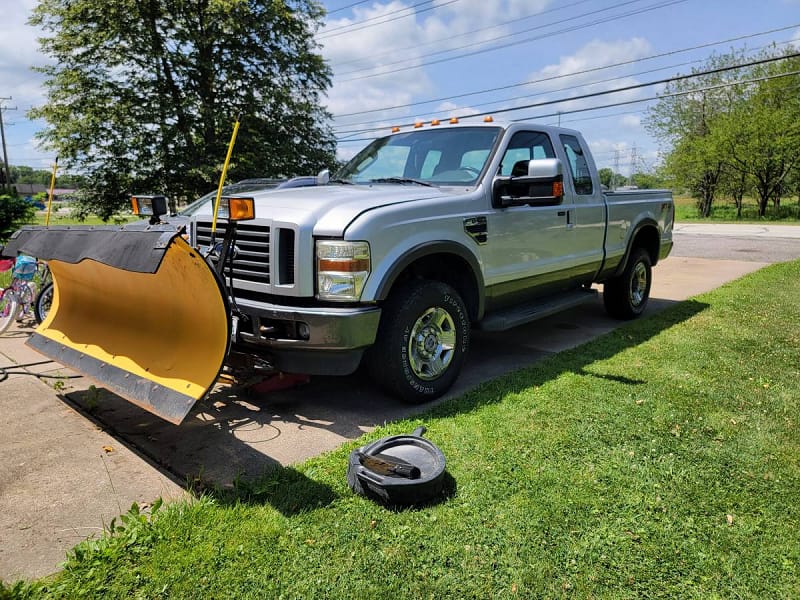
- Pros: Excellent for breaking through deep snow, versatile for various applications, efficient for clearing large areas.
- Cons: More expensive than straight blade plows, require more powerful trucks.
- Wing Plows: These plows feature a main blade with an adjustable wing on one or both sides. The wing extends the plowing width, allowing for faster and more efficient clearing of large areas.
- Pros: Maximizes plowing width, ideal for highways and large parking lots, reduces the number of passes required.
- Cons: Expensive, require specialized trucks and mounting systems, challenging to maneuver in tight spaces.
- Box Plows (Pusher Plows): These plows are designed to push snow straight ahead, creating a large "box" that contains the snow. They are ideal for clearing large parking lots and industrial areas.
- Pros: Efficient for moving large volumes of snow, prevents snow spillage, easy to operate.
- Cons: Less versatile than other types, not suitable for driveways or residential areas.
- SnowEx/Poly Plows: Poly plows are lighter than steel plows. Good for lighter trucks.
- Pros: Lighter, rustproof, and durable.
- Cons: Higher price.
3. Essential Considerations Before You Buy
Choosing the right truck snow plow involves more than just picking a type. Several factors need careful consideration:
- Truck Compatibility: Ensure the plow is compatible with your truck's make, model, and weight capacity. Check the manufacturer's specifications and consult with a dealer to confirm compatibility.
- Plow Size: The size of the plow blade should be proportionate to the size of your truck and the areas you plan to plow. A plow that is too large can overload your truck and make it difficult to maneuver.
- Material: Plow blades are typically made of steel or polyethelene. Steel is more durable and resistant to wear, while poly is lighter and less prone to rusting.
- Mounting System: The mounting system is crucial for securely attaching the plow to your truck. Consider the ease of installation and removal, as well as the durability of the system.
- Hydraulic System: The hydraulic system controls the movement of the plow blade. Choose a system that is reliable and easy to operate.
- Control System: The control system allows you to adjust the plow blade from inside your truck. Consider the ergonomics and ease of use of the control system.
- Warranty: Check the warranty offered by the manufacturer. A comprehensive warranty provides peace of mind and protects you against potential defects.
- Budget: Truck snow plows range in price from a few thousand dollars to tens of thousands of dollars. Set a budget and stick to it.
- Used vs. New: Consider whether to buy a new or used plow. Used plows can be more affordable, but they may require more maintenance.
4. Installation and Maintenance: Keeping Your Plow in Top Condition
Proper installation and regular maintenance are essential for ensuring the longevity and performance of your truck snow plow.
- Installation: Follow the manufacturer's instructions carefully when installing the plow. If you are not comfortable with the installation process, consider hiring a professional.
- Regular Inspection: Inspect the plow regularly for signs of wear and tear, such as cracks, dents, and loose bolts.
- Lubrication: Lubricate all moving parts regularly to prevent corrosion and ensure smooth operation.
- Hydraulic Fluid: Check the hydraulic fluid level and condition regularly. Replace the fluid as needed.
- Cutting Edge: Replace the cutting edge when it becomes worn to maintain optimal plowing performance.
- Storage: Store the plow in a dry, protected location when not in use.
- Professional Service: Schedule regular maintenance with a qualified mechanic to ensure your plow is in top condition.
5. Potential Challenges and Solutions
Owning a truck snow plow comes with its own set of challenges. Here are some common issues and potential solutions:
- Truck Wear and Tear: Plowing snow can put extra strain on your truck's engine, transmission, and suspension. Regularly inspect and maintain your truck to minimize wear and tear.
- Fuel Consumption: Plowing snow consumes a significant amount of fuel. Plan your routes carefully and avoid unnecessary idling to conserve fuel.
- Snow Bank Formation: Plowing snow can create snow banks that are difficult to manage. Use a snow blower or other equipment to break up the snow banks.
- Icy Conditions: Icy conditions can make it difficult to plow snow effectively. Use sand or salt to improve traction.
- Regulations: Be aware of local regulations regarding snow removal. Some municipalities have restrictions on when and where you can plow snow.
6. Tips for Safe and Efficient Snow Plowing
- Plan Your Route: Before you start plowing, plan your route carefully to minimize the number of passes required and avoid obstacles.
- Start Early: Start plowing as soon as the snow starts falling to prevent it from accumulating and becoming difficult to remove.
- Plow with the Wind: Plow with the wind to prevent the snow from blowing back onto the area you have already cleared.
- Lower Your Speed: Drive slowly and carefully when plowing snow.
- Use Your Lights: Use your headlights and hazard lights to increase visibility.
- Be Aware of Your Surroundings: Pay attention to your surroundings and watch out for pedestrians, vehicles, and obstacles.
- Take Breaks: Take breaks to avoid fatigue and maintain focus.
7. Truck Snow Plow Price Table
| Plow Type | Blade Width (ft) | Material | Features | Price Range (USD) | Installation Cost (USD) | Maintenance Cost (Annual) (USD) |
|---|---|---|---|---|---|---|
| Straight Blade | 7-9 | Steel/Poly | Trip edge, adjustable angle | $3,000 - $7,000 | $300 - $800 | $100 - $300 |
| V-Plow | 7.5-9.5 | Steel | Independent blade control, scoop mode | $6,000 - $12,000 | $500 - $1,000 | $200 - $400 |
| Wing Plow | 8-10 + Wing | Steel | Extendable wings, hydraulic controls | $8,000 - $15,000+ | $800 - $1,500+ | $300 - $500+ |
| Box/Pusher Plow | 8-12 | Steel | Enclosed design, heavy-duty | $5,000 - $10,000+ | $400 - $900 | $150 - $350 |
| SnowEx Poly Plow | 7.5-8.5 | Poly | Lighter, rustproof | $4,000 - $8,000 | $350 - $850 | $100 - $300 |
- Note: Prices are estimates and can vary depending on brand, location, and specific features.
Conclusion: Reclaiming Winter with the Right Truck Snow Plow
Investing in a truck snow plow is a significant decision, but it can be a worthwhile one if you choose the right plow for your needs and maintain it properly. By carefully considering the factors outlined in this guide, you can select a plow that will save you time, reduce physical strain, and potentially even generate income. Don't let winter control you; take control of winter with the right truck snow plow. Remember to prioritize safety and follow all applicable regulations when plowing snow. With the right equipment and preparation, you can conquer even the most challenging winter conditions.
Frequently Asked Questions (FAQ)
-
Q: What size plow do I need for my truck?
- A: The appropriate plow size depends on your truck's weight capacity and the area you plan to plow. Consult your truck's owner's manual and a plow dealer for specific recommendations.
-
Q: Can I install a snow plow myself?
- A: Installing a snow plow can be challenging and requires mechanical expertise. If you are not comfortable with the installation process, it is best to hire a professional.
-
Q: How often should I maintain my snow plow?
- A: You should inspect your snow plow regularly for signs of wear and tear and perform routine maintenance, such as lubrication and hydraulic fluid checks, at least once a year.
-
Q: What is the best way to store my snow plow when it is not in use?
- A: Store your snow plow in a dry, protected location to prevent corrosion and damage.
-
Q: Do I need special insurance to operate a snow plow?
- A: If you are using your snow plow for commercial purposes, you will likely need special insurance coverage. Check with your insurance provider for details.
-
Q: What is the lifespan of a truck snow plow?
- A: The lifespan of a truck snow plow depends on the quality of the plow, the frequency of use, and the level of maintenance. With proper care, a good quality plow can last for many years.
-
Q: Are Poly plows worth the extra cost?
- A: Yes, if you want a lighter plow, you should use a poly plow.
-
Q: Where can I find truck snow plows for sale?
- A: You can find truck snow plows for sale at dealerships, online retailers, and classified ads.