Winter's icy grip can paralyze communities, transforming bustling streets into treacherous obstacles. In such scenarios, the humble truck plow attachment emerges as a vital piece of equipment, transforming ordinary pickup trucks into powerful snow-clearing machines. This comprehensive guide will delve into the world of truck plow attachments, exploring their types, benefits, installation, maintenance, and everything you need to know to effectively tackle winter's worst.
Introduction: The Indispensable Truck Plow Attachment
Truck Plow Attachment: A Comprehensive Guide to Conquering Winter
A truck plow attachment is a specialized piece of equipment designed to be mounted onto the front of a pickup truck or similar vehicle for the purpose of clearing snow and ice from roads, driveways, parking lots, and other surfaces. These attachments utilize a blade, typically made of steel, polyethylene, or a combination of materials, to push snow aside, creating a navigable path.
The importance of truck plow attachments cannot be overstated. They are essential for:
- Maintaining Safe Roads: Clearing snow and ice reduces the risk of accidents and ensures the safe passage of vehicles, emergency services, and pedestrians.
- Ensuring Accessibility: Plows allow access to homes, businesses, and essential services, preventing isolation and disruption.
- Supporting Economic Activity: By keeping roads open, businesses can continue to operate, and commerce can flow freely even during heavy snowfall.
- Personal Convenience: For homeowners, a truck plow attachment provides the ability to clear driveways and walkways, eliminating the back-breaking labor of shoveling.
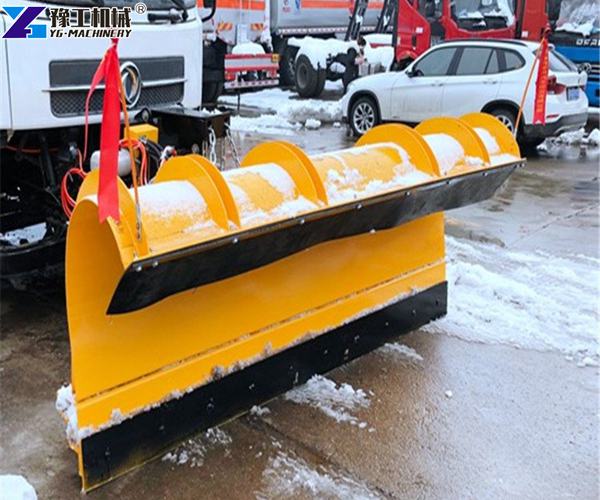
Understanding the Benefits of a Truck Plow Attachment
Investing in a truck plow attachment offers a multitude of advantages, both for personal and professional use:
- Efficiency: Compared to manual shoveling or using snow blowers, a truck plow attachment significantly reduces the time and effort required to clear large areas.
- Cost-Effectiveness: While the initial investment might seem substantial, the long-term cost savings can be significant, especially for businesses or individuals who regularly require snow removal services.
- Versatility: Truck plow attachments can be used for a variety of applications, from clearing residential driveways to managing snow in commercial parking lots.
- Increased Safety: By clearing snow quickly and efficiently, plows reduce the risk of slip-and-fall accidents and improve overall safety.
- Independence: With your own plow, you are no longer dependent on external snow removal services, giving you control over when and how your property is cleared.

Types of Truck Plow Attachments: Choosing the Right One for Your Needs

The market offers a variety of truck plow attachments, each designed for specific applications and vehicle types. Here's a breakdown of the most common types:
-
Straight Blade Plows: The most common and versatile type, featuring a straight blade that pushes snow directly ahead. Ideal for driveways, parking lots, and smaller roads. They are generally the most affordable option.
-
V-Plows: These plows feature a V-shaped blade that can be used to break through heavy snowdrifts, clear wide swaths, and windrow snow to either side. Excellent for handling large amounts of snow and clearing wide areas quickly.
-
Wing Plows: An extension to a straight blade plow, adding width for clearing larger areas in a single pass. These are often used by municipalities and larger snow removal companies.
-
Box Plows (Pusher Plows): These attachments are like large snow buckets, allowing you to scoop and push snow to a designated area. Ideal for clearing large parking lots and commercial properties.
-
Adjustable Angle Plows: These allow you to adjust the angle of the plow from the driver's seat, providing greater control over snow discharge.
-
Personal Plows: Lightweight and designed for smaller trucks and SUVs, suitable for residential use.
Factors to Consider When Choosing a Plow:
- Vehicle Type: Ensure the plow is compatible with your truck's make, model, and weight capacity.
- Plowing Needs: Consider the size and type of area you need to clear.
- Snowfall Amount: Choose a plow that can handle the average snowfall in your area.
- Budget: Plow prices vary widely depending on the type, size, and features.
- Material: Steel plows are durable but heavier, while polyethylene plows are lighter and rust-resistant.
Installation: Mounting Your Truck Plow Attachment
Proper installation is crucial for the safe and effective operation of your truck plow attachment. While professional installation is recommended, many DIYers can handle the task with the right tools and instructions.
General Steps for Installation (Consult your specific plow's manual for detailed instructions):
- Prepare Your Truck: Disconnect the battery and ensure the truck is parked on a level surface.
- Install the Mounting Brackets: These brackets attach to the truck's frame and provide the foundation for the plow.
- Attach the Hydraulic Pump: The hydraulic pump powers the plow's lifting and angling functions.
- Connect the Wiring Harness: This harness connects the plow's controls to the truck's electrical system.
- Mount the Plow Blade: Carefully lift and attach the plow blade to the mounting brackets.
- Test the System: Connect the battery and test all plow functions to ensure they are working correctly.
Important Considerations During Installation:
- Safety First: Wear appropriate safety gear, including gloves and eye protection.
- Follow Instructions: Carefully read and follow the manufacturer's instructions.
- Torque Specifications: Use a torque wrench to tighten bolts to the specified torque.
- Proper Wiring: Ensure all wiring connections are secure and properly insulated.
- Professional Assistance: If you are unsure about any aspect of the installation, seek professional assistance.
Maintenance: Keeping Your Plow in Top Condition
Regular maintenance is essential for prolonging the life of your truck plow attachment and ensuring its reliable operation.
Key Maintenance Tasks:
- Inspect the Blade: Check for wear, damage, and corrosion. Replace or repair the blade as needed.
- Lubricate Moving Parts: Regularly lubricate all moving parts, such as hinges, pins, and cylinders.
- Check Hydraulic Fluid: Inspect the hydraulic fluid level and add fluid as needed. Change the fluid according to the manufacturer's recommendations.
- Inspect Wiring and Connections: Check for loose or corroded wiring connections.
- Tighten Bolts: Periodically check and tighten all bolts and fasteners.
- Clean the Plow: After each use, clean the plow to remove snow, ice, and debris.
- Store Properly: When not in use, store the plow in a dry and protected location.
Tips for Efficient and Safe Plowing:
- Plan Your Route: Before you start plowing, plan your route to minimize backtracking and maximize efficiency.
- Start Early: Begin plowing as soon as the snow starts falling to prevent accumulation.
- Plow in Layers: If the snowfall is heavy, plow in layers to avoid overloading the plow.
- Reduce Speed: Drive slowly and cautiously while plowing.
- Use Markers: Place markers along the edges of your driveway or parking lot to avoid hitting obstacles.
- Be Aware of Your Surroundings: Pay attention to pedestrians, vehicles, and other obstacles.
- Never Plow on Public Roads: Unless you have the necessary permits and authorization.
Potential Challenges and Solutions:
- Plow Freezing to the Ground: Apply a de-icing agent to the blade before plowing or use a plow with a heated blade.
- Plow Getting Stuck: Avoid plowing in deep snow or ice. If you get stuck, use a shovel or traction mats to free the plow.
- Damage to the Plow: Regularly inspect the plow for damage and repair it promptly.
- Electrical Problems: Check the wiring and connections for loose or corroded wires.
- Hydraulic Problems: Check the hydraulic fluid level and lines for leaks.
Conclusion: Mastering Winter with a Truck Plow Attachment
A truck plow attachment is an invaluable tool for conquering winter's challenges, providing efficiency, safety, and independence. By understanding the different types of plows, properly installing and maintaining your equipment, and following safe plowing practices, you can effectively manage snow and ice and ensure safe and accessible conditions for yourself and your community. Investing in a truck plow attachment is an investment in your peace of mind and your ability to navigate the winter season with confidence.
Table Price Truck Plow Attachment
| Plow Type | Material | Size (Blade Width) | Features | Price Range (USD) |
|---|---|---|---|---|
| Straight Blade Plow | Steel | 7.5 ft - 9 ft | Angling, Trip Springs, Adjustable Skid Shoes | $3,000 - $6,000 |
| Straight Blade Plow | Polyethylene | 7.5 ft - 9 ft | Angling, Trip Springs, Adjustable Skid Shoes, Lighter Weight | $3,500 - $7,000 |
| V-Plow | Steel | 7.5 ft - 9 ft | Scoop, V, Angle Modes, Trip Edge | $5,000 - $9,000 |
| V-Plow | Polyethylene | 7.5 ft - 9 ft | Scoop, V, Angle Modes, Trip Edge, Lighter Weight | $6,000 - $10,000 |
| Box Plow (Pusher Plow) | Steel | 8 ft - 12 ft | Floating Mount, Rubber Cutting Edge | $4,000 - $8,000 |
| Personal Plow | Steel/Composite | 6 ft - 7 ft | Easy Attachment, Remote Control | $2,000 - $4,000 |
| Adjustable Angle Plow | Steel | 7.5 ft - 9 ft | Hydraulic Angle Adjustment, Trip Springs | $4,500 - $7,500 |
Note: Prices are approximate and can vary depending on the brand, dealer, and specific options.
Frequently Asked Questions (FAQ) About Truck Plow Attachments:
Q: What size plow do I need for my truck?
A: The appropriate plow size depends on your truck's weight capacity and the area you need to clear. Consult your truck's owner's manual and a plow dealer for recommendations.
Q: Can I install a plow myself?
A: Yes, many DIYers can install plows themselves. However, professional installation is recommended to ensure proper fit and function.
Q: How much does it cost to install a plow?
A: Professional installation costs typically range from $500 to $1,500, depending on the complexity of the installation.
Q: How often should I maintain my plow?
A: You should inspect your plow regularly, especially before and after each use. Perform routine maintenance tasks such as lubrication and fluid checks at least once a season.
Q: What is the best way to store my plow when not in use?
A: Store your plow in a dry and protected location to prevent rust and corrosion.
Q: Do I need any special permits to plow snow?
A: Regulations vary by location. Check with your local authorities to determine if you need any permits to plow snow, especially on public roads.
Q: Will a plow attachment void my truck's warranty?
A: Installing a plow attachment may void certain parts of your truck's warranty. Consult your truck's warranty documentation and a dealer for clarification.
Q: What is a trip edge?
A: A trip edge is a feature that allows the lower part of the plow blade to pivot backwards when it encounters an obstacle, preventing damage to the plow and the truck.
Q: Can I use a plow on an SUV?
A: Yes, personal plows are designed for use on smaller trucks and SUVs. However, ensure the plow is compatible with your vehicle's weight capacity.
Q: Where can I buy a truck plow attachment?
A: Truck plow attachments can be purchased from authorized dealers, online retailers, and some hardware stores. Always research the seller and the product before making a purchase.