Winter storms can cripple cities and towns, bringing daily life to a standstill. Schools close, businesses suffer, and emergency services struggle to reach those in need. In the battle against the elements, the Oshkosh plow truck stands as a formidable weapon, a testament to engineering prowess and a vital tool for keeping communities moving. This article delves into the world of the Oshkosh plow truck, exploring its history, capabilities, and importance in ensuring winter doesn't bring life to a halt.
Introduction: More Than Just a Truck – A Lifeline in Winter
The Undisputed King of Winter: A Deep Dive into the Oshkosh Plow Truck
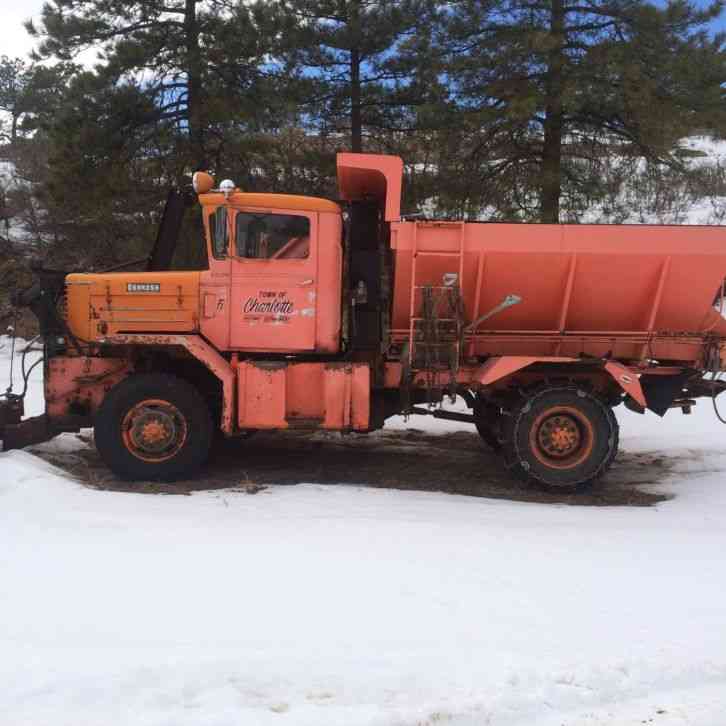
The term "Oshkosh plow truck" often conjures images of massive, powerful vehicles clearing snow-laden roads with impressive efficiency. But it's more than just a truck; it represents reliability, durability, and the promise of normalcy during harsh winter conditions. Oshkosh Corporation, the manufacturer, has a long and storied history of building specialized vehicles, and their plow trucks are renowned for their ability to withstand the brutal demands of snow removal. From clearing airport runways to maintaining essential routes in rural communities, these vehicles are critical infrastructure, ensuring transportation networks remain operational even in the face of blizzards and ice storms. Their robust construction, powerful engines, and advanced snow-clearing technology make them indispensable assets for municipalities and transportation agencies across the snow belt.
A Legacy of Strength: The History of Oshkosh Corporation and its Plow Trucks
Oshkosh Corporation's roots lie deep in the automotive industry, dating back to 1917. Initially focused on developing four-wheel-drive vehicles for challenging terrains, the company quickly gained a reputation for innovation and durability. This commitment to building robust and reliable vehicles naturally extended to snow removal equipment. Over the decades, Oshkosh has continuously refined its plow truck designs, incorporating advancements in engine technology, hydraulic systems, and plow configurations. They have become synonymous with quality and performance, trusted by municipalities and contractors worldwide. The evolution of the Oshkosh plow truck mirrors the advancements in snow removal technology itself, from simpler mechanical plows to sophisticated, computer-controlled systems that optimize efficiency and safety.
Key Components and Capabilities: Understanding the Anatomy of an Oshkosh Plow Truck
Oshkosh plow trucks are meticulously engineered for demanding snow removal tasks. Several key components contribute to their exceptional performance:
- Chassis and Frame: The foundation of the truck is a heavy-duty chassis and frame, designed to withstand the immense stresses imposed by plowing operations. These are typically constructed from high-strength steel, providing exceptional rigidity and resistance to twisting and bending.
- Engine and Powertrain: Powerful diesel engines, often exceeding 400 horsepower, provide the necessary torque to push heavy snowdrifts. These engines are paired with robust transmissions and transfer cases, ensuring reliable power delivery to all wheels. All-wheel drive is a standard feature, providing maximum traction on slippery surfaces.
- Hydraulic System: The hydraulic system is the heart of the plow truck, powering the raising and lowering of the plow blade, as well as the operation of wing plows and other attachments. Oshkosh employs sophisticated hydraulic systems with precise controls, allowing operators to efficiently manage the snow removal process.
- Plow Blades: Oshkosh offers a variety of plow blade configurations to suit different needs. These include:
- Straight Plows: The most common type, used for clearing lanes and roadways.
- V-Plows: Ideal for breaking through deep snowdrifts and widening roads.
- Wing Plows: Extend the clearing width of the truck, allowing for faster and more efficient snow removal.
- Reversible Plows: Can be angled to push snow in either direction, providing flexibility in various snow removal scenarios.

- Spreader Systems: Oshkosh plow trucks are often equipped with spreader systems that dispense salt, sand, or other de-icing materials. These systems are crucial for preventing ice formation and improving traction on roadways.
- Operator Cab: The operator cab is designed for comfort and functionality, providing a clear view of the road and plow blade. Advanced control systems allow operators to manage all aspects of the snow removal process from the safety and comfort of the cab.

Benefits of Using Oshkosh Plow Trucks: Why They're the Preferred Choice
The benefits of using Oshkosh plow trucks extend beyond simply clearing snow. They offer a range of advantages that make them the preferred choice for municipalities and contractors:
- Reliability and Durability: Oshkosh trucks are built to last, withstanding the harsh conditions and demanding workloads associated with snow removal. Their robust construction minimizes downtime and ensures consistent performance.
- Superior Performance: The powerful engines, all-wheel drive, and advanced plow configurations provide exceptional snow-clearing capabilities. Oshkosh trucks can handle deep snowdrifts and icy conditions with ease.
- Increased Efficiency: The advanced hydraulic systems and operator controls optimize the snow removal process, allowing for faster and more efficient clearing of roadways.
- Enhanced Safety: Features like anti-lock brakes, electronic stability control, and enhanced visibility contribute to a safer operating environment.
- Reduced Maintenance Costs: While the initial investment may be higher, the long-term reliability and durability of Oshkosh trucks can lead to lower maintenance costs over their lifespan.
- Improved Community Safety and Mobility: By keeping roadways clear and accessible, Oshkosh plow trucks play a vital role in ensuring community safety and maintaining essential services during winter storms.
Important Considerations When Choosing an Oshkosh Plow Truck:
Selecting the right Oshkosh plow truck requires careful consideration of several factors:
- Snowfall Volume and Frequency: The average snowfall volume and frequency in your region will influence the size and type of plow truck needed.
- Roadway Types and Conditions: The types of roads you need to clear (e.g., highways, city streets, rural roads) will determine the appropriate plow blade configuration and truck size.
- Budget: Oshkosh plow trucks represent a significant investment, so it's important to establish a realistic budget and consider financing options.
- Maintenance and Support: Ensure access to reliable maintenance and support services to keep your plow trucks in optimal operating condition.
- Operator Training: Proper operator training is essential for safe and efficient operation of Oshkosh plow trucks.
Tips for Operating and Maintaining Oshkosh Plow Trucks:
- Regular Inspections: Conduct thorough pre- and post-operation inspections to identify any potential problems.
- Proper Lubrication: Follow the manufacturer's recommendations for lubrication to prevent premature wear and tear.
- Hydraulic System Maintenance: Regularly check the hydraulic fluid levels and inspect hoses and fittings for leaks.
- Plow Blade Maintenance: Sharpen or replace plow blades as needed to maintain optimal cutting performance.
- Operator Training: Provide comprehensive training to operators on safe and efficient snow removal techniques.
- Winterization: Properly winterize the truck before the onset of cold weather to prevent freezing and damage.
Potential Challenges and Solutions:
- High Initial Cost: The high initial cost of Oshkosh plow trucks can be a barrier for some municipalities and contractors. Solution: Explore financing options, lease programs, or consider purchasing used equipment.
- Maintenance Costs: While generally reliable, Oshkosh plow trucks can still incur significant maintenance costs. Solution: Implement a proactive maintenance program, train operators on proper operating procedures, and establish a relationship with a reputable service provider.
- Operator Shortage: Finding qualified and experienced plow truck operators can be challenging. Solution: Offer competitive wages and benefits, provide comprehensive training programs, and consider partnering with local vocational schools.
- Salt Shortages: Salt is a crucial de-icing material, but shortages can occur during periods of high demand. Solution: Develop a salt management plan, explore alternative de-icing materials, and consider investing in salt storage facilities.
Table Price: Oshkosh Plow Truck (Estimated)
| Feature | Description | Estimated Price Range (USD) | Notes |
|---|---|---|---|
| Base Truck | Oshkosh S-Series Chassis (Typical for Municipal Plows) | $250,000 - $400,000 | Price varies based on engine, cab configuration, and specific options. |
| Plow Blade | Front Straight Plow (12-14 feet) | $10,000 - $20,000 | V-Plows and Wing Plows are significantly more expensive. |
| Wing Plow | Hydraulic Wing Plow (10-12 feet) | $15,000 - $30,000 | Requires additional hydraulic system capacity. |
| Spreader System | Salt/Sand Spreader (10-15 cubic yards) | $8,000 - $25,000 | Price depends on capacity, material, and control system. |
| Hydraulic System | Heavy-Duty Hydraulic System for Plows and Spreader | $5,000 - $15,000 | Includes pumps, valves, cylinders, and controls. |
| Lighting Package | LED Lighting (Headlights, Warning Lights, Plow Lights) | $2,000 - $5,000 | Critical for visibility in snowstorms. |
| GPS/Telematics | GPS Tracking, Vehicle Monitoring, Route Optimization | $1,000 - $3,000 per year | Improves efficiency and accountability. Subscription-based service. |
| Installation/Labor | Installing all components on the chassis | $5,000 - $15,000 | Can vary based on complexity and location. |
| Total Estimated Price | Complete Oshkosh Plow Truck (Ready to Operate) | $286,000 - $523,000+ | This is a broad estimate. Specific pricing depends on customization, dealer markups, and location. Contact Oshkosh dealers for quotes. |
Note: These prices are estimates and can vary significantly based on specific configurations, dealer markups, and location. It is always best to contact an Oshkosh dealer for a personalized quote. Prices can also be affected by supply chain issues and market fluctuations.
Frequently Asked Questions (FAQ):
- Q: How long do Oshkosh plow trucks typically last?
- A: With proper maintenance, Oshkosh plow trucks can last for 15-20 years or more.
- Q: What is the fuel efficiency of an Oshkosh plow truck?
- A: Fuel efficiency varies depending on the engine, operating conditions, and load, but typically ranges from 3-6 miles per gallon.
- Q: Where can I purchase Oshkosh plow trucks?
- A: Oshkosh plow trucks are sold through a network of authorized dealers. You can find a dealer near you on the Oshkosh Corporation website.
- Q: What kind of training is required to operate an Oshkosh plow truck?
- A: Operator training should cover safe operating procedures, snow removal techniques, and basic maintenance.
- Q: Can Oshkosh plow trucks be used for other purposes besides snow removal?
- A: Yes, some Oshkosh trucks can be configured for other applications, such as road maintenance and construction.
Conclusion: A Vital Investment in Community Resilience
The Oshkosh plow truck is more than just a vehicle; it's an investment in community resilience, safety, and economic stability. Its robust construction, powerful performance, and advanced features make it an indispensable tool for combating winter's challenges. While the initial cost may be significant, the long-term benefits of owning an Oshkosh plow truck far outweigh the expense. By keeping roadways clear and accessible, these vehicles ensure that communities can continue to function even in the face of the most severe winter storms, making them a true lifeline during the coldest months of the year.