Introduction: Conquering Winter's Fury with Your Pickup
Winter's icy grip can transform streets and driveways into treacherous landscapes. For many, the solution lies in the power and versatility of a pickup truck. But a pickup truck alone isn't enough. To truly conquer the snow and ice, you need a snow plow. A "Plow For Pickup Truck" is an attachment designed to clear snow efficiently, transforming your vehicle into a formidable snow-removal machine. Whether you're a homeowner clearing your driveway, a business owner maintaining your parking lot, or a professional contractor, a pickup truck snow plow can save you time, effort, and back-breaking labor. This comprehensive guide will walk you through everything you need to know about choosing, installing, and using a plow for your pickup truck, ensuring you're prepared to tackle whatever winter throws your way.
Plow For Pickup Truck: A Comprehensive Guide to Choosing, Installing, and Using a Snow Plow
I. Understanding the Different Types of Pickup Truck Snow Plows
Choosing the right plow for your pickup truck is crucial for effective snow removal and vehicle safety. Several types of plows cater to different needs and truck sizes. Here's a breakdown of the most common options:
-
Straight Blade Plows: The most common and affordable type. They feature a single, straight blade that pushes snow directly forward. Straight blade plows are ideal for driveways, small parking lots, and residential use. They are relatively simple to operate and maintain.
-
V-Plows: Offer greater versatility than straight blades. They feature two independently adjustable blades that can be configured in a V shape for breaking through deep snowdrifts, a scoop shape for efficient snow removal, or a straight blade configuration for general plowing. V-plows are ideal for tackling heavy snowfalls and clearing large areas.
-
Wing Plows: Similar to straight blades, but with an additional wing that extends outward from one side. This wing allows you to clear a wider path with each pass, significantly increasing efficiency when plowing large areas. Wing plows are often used by professionals and municipalities.
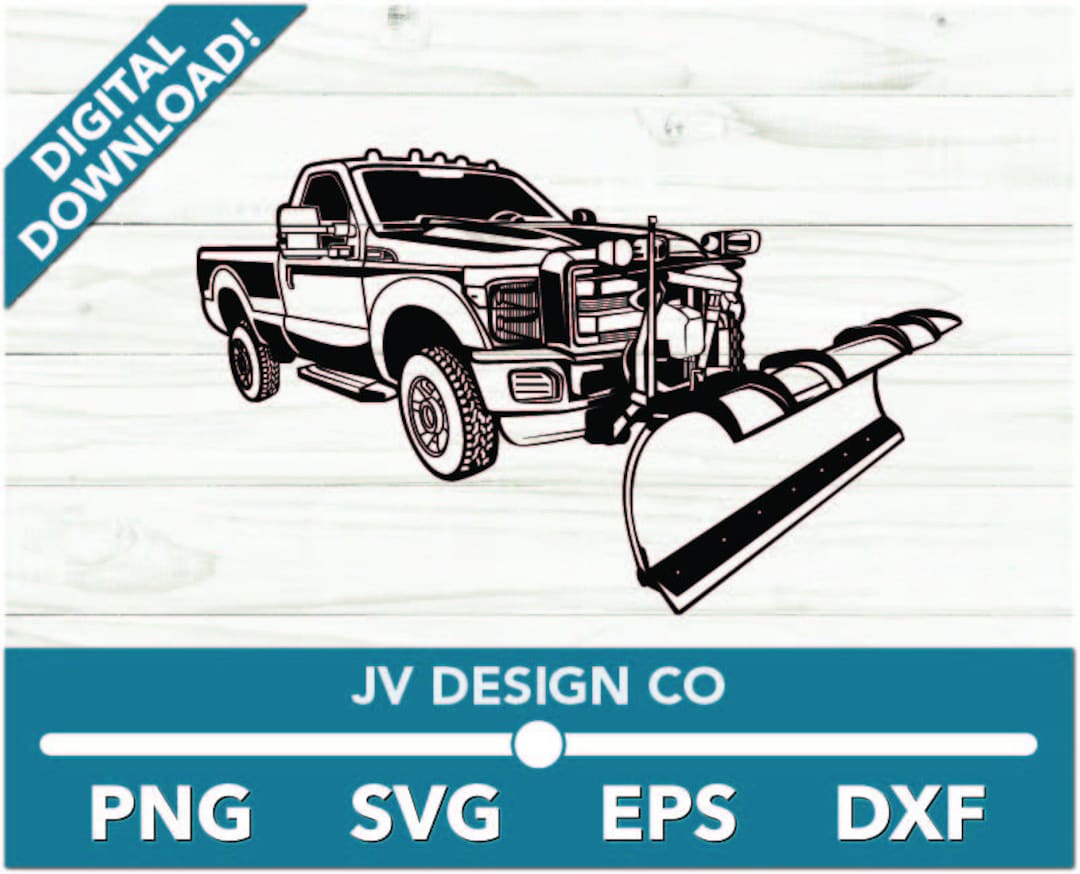
Box Plows (Snow Pushers): Designed to push large volumes of snow without leaving windrows (trails of snow on the sides). They feature a box-like enclosure that contains the snow as it's pushed forward. Box plows are ideal for clearing large parking lots and commercial properties.
-
Light-Duty Plows: Designed for smaller pickup trucks and lighter snowfalls. These plows are typically made from lighter materials and have a smaller blade size. They are suitable for homeowners with short driveways and minimal snow accumulation.
-
Heavy-Duty Plows: Built for larger pickup trucks and heavy snowfalls. These plows are made from durable materials and have a larger blade size. They are suitable for commercial use and clearing large areas with significant snow accumulation.


II. Key Considerations Before Buying a Plow
Before investing in a plow for your pickup truck, consider these crucial factors:
-
Truck Compatibility: Not all plows are compatible with all pickup trucks. Check the plow manufacturer's specifications to ensure the plow is rated for your truck's weight, GVWR (Gross Vehicle Weight Rating), and front axle weight capacity. Overloading your truck can damage the suspension, steering, and brakes.
-
Plow Weight: The weight of the plow significantly impacts your truck's performance. A heavier plow will provide more downforce for scraping snow, but it will also reduce fuel efficiency and put more strain on your truck. Choose a plow that balances weight and performance.
-
Blade Material: Plow blades are typically made from steel, polyethylene (plastic), or a combination of both. Steel blades are durable and offer excellent scraping performance, but they are also heavier and more prone to rust. Polyethylene blades are lighter, rust-resistant, and less likely to damage pavement, but they may not be as durable as steel.
-
Blade Size: The blade size (width and height) determines the amount of snow you can clear with each pass. A wider blade will clear more snow, but it will also require more power to push. Choose a blade size that is appropriate for your truck and the areas you need to plow.
-
Control System: Plows are typically controlled using either a handheld controller or a joystick. Handheld controllers are more compact and affordable, while joysticks offer more precise control. Consider your personal preference and the complexity of the plowing tasks you'll be performing.
-
Lighting: Adequate lighting is essential for safe plowing, especially in low-light conditions. Most plows come with integrated headlights and marker lights. Consider upgrading to LED lighting for improved visibility.
-
Budget: Plow prices can range from a few thousand dollars to over ten thousand dollars, depending on the type, size, and features. Set a budget before you start shopping and stick to it.
III. Installing a Pickup Truck Snow Plow: A Step-by-Step Guide
Installing a snow plow on your pickup truck can be a challenging but rewarding task. It's crucial to follow the manufacturer's instructions carefully and take all necessary safety precautions. Here's a general overview of the installation process:
- Gather Tools and Materials: You'll need a variety of tools, including wrenches, sockets, screwdrivers, a torque wrench, and safety glasses. You'll also need the plow's mounting hardware, wiring harness, and any other required components.
- Prepare the Truck: Disconnect the battery and remove any front bumper accessories that might interfere with the plow installation.
- Install the Mounting Brackets: The mounting brackets are attached to the truck's frame. Follow the manufacturer's instructions carefully to ensure proper alignment and secure attachment.
- Install the Wiring Harness: The wiring harness connects the plow's electrical components to the truck's electrical system. Follow the manufacturer's instructions to route the wiring harness and connect it to the battery, headlights, and control system.
- Attach the Plow: Once the mounting brackets and wiring harness are installed, you can attach the plow to the truck. Use a jack or hoist to lift the plow into position and secure it to the mounting brackets.
- Connect the Hydraulics: If your plow uses hydraulics, connect the hydraulic hoses to the plow and the truck's hydraulic system.
- Test the Plow: Once the installation is complete, reconnect the battery and test the plow's functionality. Make sure the blade raises, lowers, and angles correctly. Check the lighting and control system.
- Adjust and Fine-Tune: After testing the plow, make any necessary adjustments to ensure proper operation. Check the blade height, angle, and downforce.
Important Note: If you are not comfortable performing the installation yourself, it's best to hire a professional installer. Improper installation can damage your truck or the plow and can be dangerous.
IV. Safe Plowing Practices: Tips for Effective Snow Removal
Operating a snow plow requires skill and caution. Follow these safety tips to ensure effective snow removal and prevent accidents:
- Read the Owner's Manual: Familiarize yourself with the plow's operating instructions and safety precautions.
- Practice in a Safe Area: Before plowing in traffic, practice operating the plow in a safe, open area to get a feel for its controls and handling.
- Drive Slowly: Plowing snow can significantly affect your truck's handling. Drive slowly and cautiously, especially on slippery surfaces.
- Use Proper Lighting: Use your headlights and marker lights to ensure visibility, especially in low-light conditions.
- Be Aware of Your Surroundings: Pay attention to pedestrians, vehicles, and obstacles in your path.
- Avoid Sudden Stops and Turns: Sudden stops and turns can cause your truck to lose control.
- Lower the Plow When Not in Use: When not actively plowing, lower the plow to the ground to prevent damage and improve visibility.
- Maintain Your Plow Regularly: Inspect your plow regularly for wear and tear. Lubricate moving parts and tighten loose bolts.
V. Potential Challenges and Solutions
- Truck Overloading: Solution: Choose a plow that is properly sized for your truck and do not exceed the truck's GVWR. Consider upgrading your truck's suspension if necessary.
- Poor Traction: Solution: Use snow tires or chains for improved traction. Add weight to the truck bed to increase downforce on the rear tires.
- Pavement Damage: Solution: Use a plow with a polyethylene blade or adjustable shoes to prevent damage to pavement. Avoid plowing on uneven surfaces.
- Electrical Problems: Solution: Regularly inspect the wiring harness for damage. Use dielectric grease to protect electrical connections from corrosion.
- Hydraulic Leaks: Solution: Regularly inspect hydraulic hoses and fittings for leaks. Replace damaged hoses and fittings promptly.
VI. Maintenance and Care: Keeping Your Plow in Top Condition
Regular maintenance is essential for keeping your snow plow in top condition and ensuring reliable performance. Here are some key maintenance tasks:
- Lubricate Moving Parts: Regularly lubricate all moving parts, such as the pivot points, cylinders, and hinges.
- Inspect Hydraulic Hoses and Fittings: Check hydraulic hoses and fittings for leaks, cracks, or wear. Replace damaged components promptly.
- Tighten Loose Bolts: Regularly check and tighten all bolts and fasteners.
- Check and Adjust Blade Height: Adjust the blade height to ensure proper scraping performance and prevent damage to pavement.
- Inspect the Cutting Edge: Inspect the cutting edge for wear and tear. Replace the cutting edge when it becomes worn or damaged.
- Store the Plow Properly: When not in use, store the plow in a dry, sheltered location to protect it from the elements.
VII. Price Table for Plows For Pickup Trucks
| Plow Type | Material | Blade Size | Price Range | Features | Best For |
|---|---|---|---|---|---|
| Straight Blade | Steel | 7-8 feet | $3,000 - $6,000 | Simple operation, durable | Driveways, small parking lots, residential use |
| Straight Blade | Poly | 7-8 feet | $3,500 - $6,500 | Rust-resistant, less pavement damage | Driveways, small parking lots, residential use |
| V-Plow | Steel | 7.5-9 feet | $5,000 - $9,000 | Versatile configurations, breaks through deep snow | Heavy snowfalls, large areas, commercial use |
| Wing Plow | Steel | 8-10 feet + wing | $7,000 - $12,000 | Wider clearing path, increased efficiency | Large parking lots, commercial properties, municipalities |
| Box Plow | Steel | 8-12 feet | $6,000 - $10,000 | Pushes large volumes of snow, minimizes windrows | Large parking lots, commercial properties |
| Light Duty | Steel/Poly | 6-7 feet | $2,500 - $5,000 | Lighter weight, smaller trucks | Smaller driveways, minimal snow accumulation |
| Heavy Duty | Steel | 8-10 feet | $4,500 - $8,000 | Durable, larger trucks, heavy snowfalls | Commercial use, large areas, significant snow accumulation |
Note: Prices are approximate and can vary based on brand, features, and location.
VIII. Frequently Asked Questions (FAQ)
- Q: Can I use any snow plow on my pickup truck?
- A: No. You must choose a plow that is rated for your truck's weight, GVWR, and front axle weight capacity.
- Q: How much does it cost to install a snow plow?
- A: Installation costs vary depending on the complexity of the plow and the labor rates in your area. Expect to pay between $500 and $1500 for professional installation.
- Q: How often should I maintain my snow plow?
- A: You should inspect and maintain your snow plow regularly, ideally before and after each plowing season.
- Q: What is the best type of snow plow for my driveway?
- A: A straight blade plow is typically sufficient for clearing a driveway.
- Q: Can plowing snow damage my truck?
- A: Yes, if you overload your truck or operate the plow improperly. Follow the manufacturer's instructions and practice safe plowing techniques.
- Q: Do I need to upgrade my truck's suspension to use a snow plow?
- A: It depends on the weight of the plow and your truck's suspension. If your truck's suspension is sagging or bottoming out, you may need to upgrade it.
- Q: What safety precautions should I take when plowing snow?
- A: Drive slowly, use proper lighting, be aware of your surroundings, and avoid sudden stops and turns.
Conclusion: Embrace the Power of a Plow
Investing in a plow for your pickup truck is a smart decision for anyone who needs to clear snow regularly. By understanding the different types of plows, considering the key factors before buying, following safe plowing practices, and maintaining your plow properly, you can transform your pickup truck into a powerful snow-removal machine. Don't let winter's fury hold you back. Embrace the power of a plow and conquer the snow with confidence. Remember to prioritize safety, maintain your equipment, and enjoy the satisfaction of a job well done. With the right plow and the right knowledge, you'll be ready to tackle whatever winter throws your way.