The roar of an engine, the scrape of steel on pavement, and the flashing amber lights piercing through the swirling snow – these are the hallmarks of the Highway Snow Plow Truck, a vital piece of machinery that stands as a sentinel against the harsh realities of winter. These behemoths are more than just trucks with blades; they are complex, sophisticated systems designed to maintain the flow of traffic and ensure the safety of travelers during the most treacherous weather conditions. This article will delve into the intricacies of the highway snow plow truck, exploring its components, operation, considerations, and its indispensable role in keeping our roads open and safe.
1. Introduction: The Unsung Hero of Winter Mobility
Highway Snow Plow Truck: Guardians of the Winter Roads
When winter storms unleash their fury, crippling roadways and threatening commutes, the Highway Snow Plow Truck steps into the breach. These specialized vehicles are specifically designed to clear snow and ice from highways, interstates, and major roadways, ensuring that vital transportation arteries remain open and navigable. Their existence is not just about convenience; it's about safety, economic stability, and maintaining the crucial flow of goods and services, especially for emergency vehicles and essential personnel. Without these diligent machines and their dedicated operators, winter would bring our society to a virtual standstill.
2. Anatomy of a Highway Snow Plow Truck: More Than Just a Blade
A Highway Snow Plow Truck is far more complex than it appears. It's a meticulously engineered vehicle built to withstand extreme conditions and perform a demanding task. Here are the key components:
- The Chassis: The foundation is a heavy-duty truck chassis, often a Class 8 truck, chosen for its robust engine, high weight capacity, and durability. These chassis are designed to handle the immense stress and weight associated with plowing.
- The Engine: Powerful diesel engines are the norm, providing the necessary torque and horsepower to push heavy snow for extended periods. These engines are often equipped with sophisticated emission control systems to minimize environmental impact.
- The Plow Blade: The most recognizable component, the plow blade, comes in various configurations. Straight blades are common for clearing wide stretches of road, while angled or V-plows are used for breaking through deep drifts and throwing snow to the side. Materials range from high-strength steel to composite materials designed for reduced weight and increased durability.
- The Spreader System: Many highway snow plow trucks are equipped with spreaders to distribute de-icing agents like salt, sand, or liquid brine. These systems can be controlled manually or automatically, adjusting the application rate based on road conditions and vehicle speed.
- Hydraulic System: A powerful hydraulic system is crucial for raising, lowering, and angling the plow blade, as well as controlling the spreader system. This system allows for precise control and efficient operation.
- Lighting and Warning Systems: Visibility is paramount during snowstorms. Highway snow plow trucks are equipped with a comprehensive array of flashing lights, strobe lights, and high-intensity headlights to ensure they are visible to other drivers in whiteout conditions.
- Electronic Control Systems: Modern snow plow trucks often incorporate advanced electronic control systems that monitor engine performance, hydraulic pressure, spreader application rates, and other critical parameters. These systems can also provide diagnostic information and assist with troubleshooting.
- GPS and Telematics: Many fleets utilize GPS tracking and telematics systems to monitor the location of their snow plow trucks, track their progress, and optimize routes. This data can also be used to assess the effectiveness of snow removal operations.
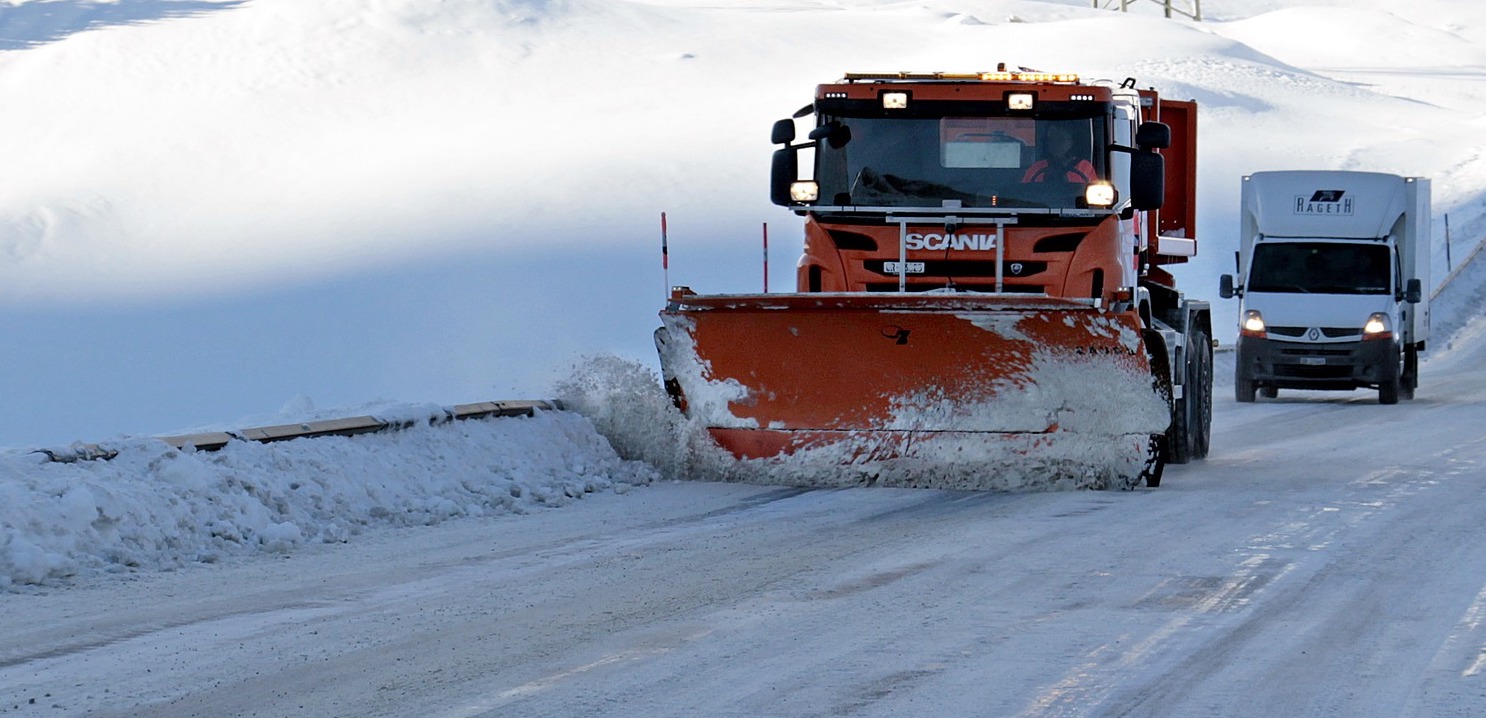

3. Types of Plow Blades and Their Applications
The choice of plow blade depends on the specific conditions and the type of road being cleared. Here's a breakdown of common types:
- Straight Blade: The most common type, ideal for clearing wide, flat stretches of highway. They efficiently push snow straight ahead, leaving a clean path.
- Angled Blade: These blades are angled to the side, directing snow off the road and into the shoulder. They are particularly effective for clearing roads with heavy traffic and preventing snow from accumulating in the travel lanes.
- V-Plow: Also known as a reversible plow, the V-plow can be configured in a V-shape for breaking through deep drifts or in a straight position for pushing snow. This versatility makes them ideal for tackling challenging snow conditions.
- Wing Plow: Mounted on the side of the truck, the wing plow extends the width of the cleared path, allowing for the removal of snow further from the roadway. They are often used in conjunction with a front-mounted plow for maximum efficiency.
- Underbody Scraper: Mounted beneath the truck, these scrapers are used to remove compacted snow and ice from the road surface. They are particularly effective in icy conditions.

4. Operation and Maintenance: Keeping the Roads Clear and the Trucks Running
Operating a highway snow plow truck is a demanding and skillful task. Drivers must be highly trained and experienced in navigating treacherous conditions. Here are some key aspects of operation and maintenance:
- Pre-Season Preparation: Thorough inspection and maintenance are crucial before the start of the winter season. This includes checking the engine, hydraulic system, plow blade, spreader system, and all safety equipment.
- Route Planning: Careful route planning is essential for efficient snow removal. This involves identifying priority routes, considering traffic patterns, and optimizing the sequence of operations.
- Safe Driving Practices: Snow plow drivers must adhere to strict safety protocols, including maintaining a safe speed, using appropriate lighting, and being aware of their surroundings.
- De-Icing Agent Application: Proper application of de-icing agents is critical for preventing ice formation and improving traction. Drivers must adjust the application rate based on road conditions and temperature.
- Post-Storm Maintenance: After each storm, the snow plow truck must be thoroughly cleaned and inspected for damage. Any necessary repairs should be made promptly to ensure the vehicle is ready for the next event.
5. Important Considerations for Highway Snow Plow Truck Operators
- Visibility: Visibility is often severely limited during snowstorms. Operators must rely on their experience, training, and the truck's lighting system to navigate safely.
- Fatigue: Operating a snow plow truck for extended periods can be physically and mentally demanding. Drivers must be aware of the signs of fatigue and take breaks when needed.
- Communication: Maintaining clear communication with dispatchers and other operators is essential for coordinating snow removal efforts.
- Road Conditions: Road conditions can change rapidly during a snowstorm. Operators must be constantly vigilant and adjust their driving accordingly.
- Public Safety: The safety of the public is paramount. Operators must be aware of other vehicles, pedestrians, and cyclists and take steps to avoid accidents.
6. Challenges and Solutions in Highway Snow Removal
Snow removal operations face several challenges:
- Heavy Snowfall: Extremely heavy snowfall can overwhelm even the most capable snow plow trucks.
- Icy Conditions: Icy conditions can make it difficult to maintain traction and control the vehicle.
- Limited Visibility: Whiteout conditions can make it nearly impossible to see.
- Equipment Failure: Equipment failure can disrupt snow removal operations and delay road clearing.
- Budget Constraints: Limited budgets can restrict the ability to purchase new equipment and maintain existing vehicles.
Potential solutions include:
- Improved Forecasting: More accurate weather forecasting can help transportation agencies prepare for snowstorms more effectively.
- Advanced De-Icing Agents: New de-icing agents can melt ice at lower temperatures and provide longer-lasting protection.
- Automated Plow Systems: Automated plow systems can improve efficiency and reduce the risk of accidents.
- Increased Funding: Increased funding can allow transportation agencies to purchase new equipment and maintain existing vehicles.
7. Tips for Drivers Sharing the Road with Snow Plow Trucks
- Stay Back: Give snow plow trucks plenty of room to operate. Their blades extend beyond the width of the truck, and they may need to make sudden maneuvers.
- Be Patient: Snow plow trucks are working to clear the roads as quickly as possible. Be patient and avoid trying to pass them.
- Use Caution When Passing: If you must pass a snow plow truck, do so with extreme caution. Ensure you have plenty of visibility and room to maneuver.
- Turn On Your Headlights: Ensure your headlights are on so the snow plow truck operator can see you.
- Don't Tailgate: Tailgating a snow plow truck is extremely dangerous. You will have limited visibility and may not be able to react in time if the truck stops suddenly.
8. Price table about Highway Snow Plow Truck.
| Feature | Description | Average Cost | Additional Notes |
|---|---|---|---|
| Complete Truck (New) | Heavy-duty chassis, engine, plow blade (straight, angled, or V-plow), spreader system, hydraulic system, lighting, electronic controls, GPS/telematics. | $200,000 - $500,000+ | Price varies widely based on brand, chassis size, engine power, plow blade type, spreader system capacity, and included features. Customization can significantly increase the price. |
| Used Trucks | Used snow plow trucks with varying levels of wear and tear. | $50,000 - $250,000+ | Prices depend on age, mileage, condition, and features. Thorough inspection is crucial before purchasing a used truck. |
| Plow Blade (New) | Replacement plow blades (straight, angled, V-plow, wing plow, underbody scraper). | $5,000 - $25,000+ | Price depends on size, material (steel vs. composite), and type of blade. |
| Spreader System (New) | Salt, sand, or liquid brine spreader systems. | $3,000 - $15,000+ | Capacity and features (e.g., automatic control) influence the price. |
| Hydraulic System Repair | Repair or replacement of hydraulic components (pumps, cylinders, hoses). | $500 - $5,000+ | Depends on the extent of the damage and the specific components needing repair or replacement. |
| Lighting System Upgrade | Adding or upgrading warning lights, strobe lights, and headlights. | $500 - $2,000+ | Cost varies based on the type and quantity of lights installed. |
| Annual Maintenance | Routine maintenance including oil changes, filter replacements, lubrication, and inspection. | $1,000 - $5,000+ | Varies based on the truck's age, usage, and the scope of the maintenance performed. |
| Operator Training | Specialized training for snow plow truck operators. | $500 - $2,000+ | Cost varies depending on the length and content of the training program. |
9. Conclusion: The Indispensable Role
The Highway Snow Plow Truck is a crucial component of our winter infrastructure. These powerful machines and their dedicated operators play a vital role in keeping our roads open and safe during the harshest weather conditions. Their work allows us to maintain essential services, travel safely, and keep our economy moving, demonstrating their invaluable contribution to society. As technology advances and winter storms become more intense, the importance of these guardians of the winter roads will only continue to grow.
10. Frequently Asked Questions (FAQ)
- Q: How often do snow plow trucks need maintenance?
- A: Snow plow trucks require frequent maintenance, especially during the winter season. Regular inspections, lubrication, and repairs are essential to ensure they operate reliably.
- Q: What is the lifespan of a highway snow plow truck?
- A: The lifespan of a highway snow plow truck varies depending on usage and maintenance. However, with proper care, they can last for 10-15 years or more.
- Q: What are the qualifications to become a snow plow truck operator?
- A: Snow plow truck operators typically need a commercial driver's license (CDL) and specialized training in snow removal techniques. Experience operating heavy equipment is also beneficial.
- Q: How do snow plow trucks prevent damage to the road surface?
- A: Snow plow trucks are equipped with adjustable blades that can be raised or lowered to avoid scraping the road surface. They also use de-icing agents to prevent ice from bonding to the pavement.
- Q: What is the environmental impact of using de-icing agents?
- A: De-icing agents can have a negative impact on the environment, polluting waterways and damaging vegetation. However, efforts are being made to develop more environmentally friendly de-icing agents and to use them more efficiently.